
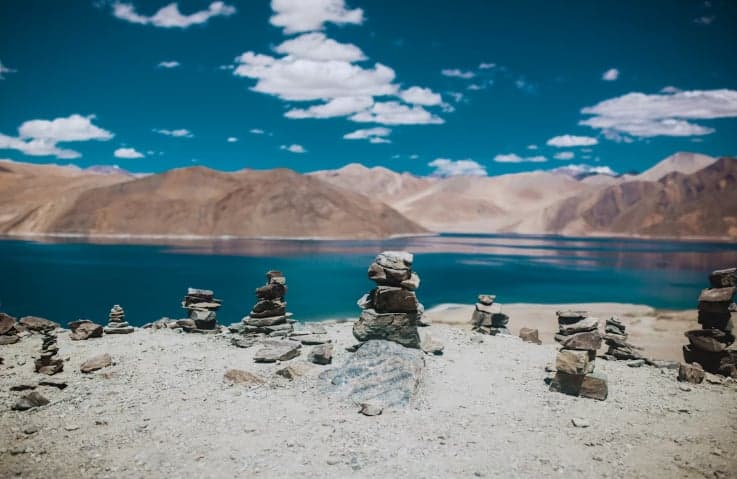
Explore the remote border villages of Turtuk and Thang in Ladakh — where Balti culture, dramatic Himalayan landscapes, and frontier history meet. This guide covers permits, travel costs, road conditions, altitude risks, accommodation options, and practical planning tips to help you decide if these offbeat destinations are truly worth the journey.
If you think you’ve “done” Ladakh after visiting Pangong and Nubra, you haven’t. The real edge of the map lies further north — near the India–Pakistan border — in two remote villages: Turtuk and Thang.
These are not casual add-ons to your Leh itinerary. They require planning, patience, and realism. But if you want raw landscapes, borderland history, and a culture that feels distinct from the rest of Ladakh, this is where you go.
Where Are Turtuk and Thang?
📍 Turtuk

Located in the Nubra Valley, around 205 km from Leh, Turtuk sits close to the Line of Control. It was part of Pakistan until 1971 and still carries strong Balti cultural influences. Unlike the Buddhist-majority areas of Ladakh, Turtuk is predominantly Muslim, giving it a distinct identity.
Altitude: ~3,001 meters
Population: ~4,000
Known for: Apricot orchards, Balti culture, scenic Shyok River views
📍 Thang

Thang is even more remote and closer to the border. It’s smaller, quieter, and less commercial than Turtuk.
Altitude: ~3,000+ meters
Population: ~1,500
Known for: Border viewpoints, raw landscapes, hot springs
If you’re expecting cafes, Instagram setups, or polished tourism — you’ll be disappointed. This is frontier terrain.
The Reality of Reaching Turtuk and Thang
Let’s be blunt: reaching these villages is the hardest part.
From Leh, expect:
6–9 hours by road
Winding mountain routes
Variable road conditions
Limited fuel stops
The drive follows the Shyok River with the Karakoram range towering above — visually stunning but physically tiring.
Transport Cost (Approximate)
Mode | Turtuk | Thang |
|---|---|---|
Shared Taxi | ₹6,000–₹8,000 | ₹7,000–₹9,000 |
Bus | ₹200–₹350 | Limited service |
Self-drive | Fuel + permit | Fuel + permit |
Buses are cheap but unreliable and slow. If your time is limited, taxis are more practical.
What Makes Turtuk Special?
1. Balti Culture
Turtuk’s culture is influenced by Baltistan (now in Pakistan). Language, food, architecture — everything feels different from central Ladakh.
2. Apricot Orchards
Visit in summer (June–August) to see blooming or fruit-laden apricot trees. The village is known for high-quality dried apricots.
3. Turtuk Gompa
A short hike leads to the monastery area offering panoramic valley views.
4. Food
Expect simple, hearty meals:
Thukpa
Momos
Tingmo
Balti-style curries
Meal cost: ₹100–₹300 in homestays; ₹400–₹800 in better guesthouses.
What Makes Thang Different?
Thang feels like standing at the edge of geopolitics. From certain viewpoints, you can literally see across the border.
Highlights:
Border observation points
Natural hot springs
Trekking routes
Extremely low tourist footfall
Accommodation is basic:
Homestays: ₹800–₹1,500 per night
Very limited hotel infrastructure
If you need comfort, don’t go. If you want authenticity, go.
Permits: Non-Negotiable
Both villages fall under restricted border zones.
You must obtain an Inner Line Permit (ILP) in Leh.
Cost: ₹100–₹200 per person
Validity: Usually 7 days
Carry multiple photocopies — checkpoints will ask.
Skipping permits isn’t clever; you’ll simply be turned back.
Best Time to Visit
Season | Pros | Cons |
|---|---|---|
June–September | Roads open, pleasant weather | Peak tourist pricing |
April–May | Fewer crowds | Cold nights |
October onward | Raw beauty | Risk of road closures |
Winter access is unpredictable. Plan accordingly.
Budget Breakdown (Per Person, 2–3 Days)
Transport (shared): ₹3,000–₹5,000
Stay: ₹1,000–₹3,000
Food: ₹600–₹1,500
Permit & misc: ₹500–₹1,000
Total realistic budget: ₹6,000–₹10,000
If someone tells you it’s “super cheap,” they’re ignoring transport costs.
The Real Challenges
1. Altitude
Above 3,000 meters. AMS (Acute Mountain Sickness) is common.
Acclimatize in Leh for at least 2 days before heading out.
2. Limited Medical Facilities
Serious medical help means traveling back to Leh.
Carry:
Basic first-aid
AMS medication (after consulting a doctor)
Offline maps
Cash (ATMs are unreliable)
3. Connectivity
Mobile networks are patchy. Internet is minimal.
If you need constant connectivity, reconsider.
Is It Worth It?
Go if:
You enjoy remote travel.
You value culture over comfort.
You want lesser-known Ladakh.
You are okay with basic infrastructure.
Don’t go if:
You expect luxury.
You have tight travel timelines.
You struggle with high altitudes.
You can’t tolerate uncertain road conditions.
Turtuk and Thang are not checklist destinations. They’re commitment destinations.
Final Verdict
If your Ladakh trip is about ticking famous lakes and posting drone shots, skip these villages.
If you want to stand near the border, walk through apricot orchards, experience Balti heritage, and see a side of Ladakh most tourists ignore — go.
But plan properly. Budget realistically. Respect the border sensitivity. And understand that “remote” isn’t aesthetic — it’s logistical reality.
FAQs
Q1: How far is Turtuk from Leh?
Approximately 205 km, 6–8 hours by road.
Q2: Do I need a permit for Thang village?
Yes, an Inner Line Permit from Leh is mandatory.
Q3: What is the best time to visit Turtuk and Thang?
June to September offers the safest road conditions.
Q4: Are Turtuk and Thang safe for solo travel?
Yes, generally safe — but medical and transport infrastructure is limited.
If you’re planning a Ladakh itinerary and want to go beyond mainstream routes, these villages deliver something rare: stillness, complexity, and perspective.
Written by