
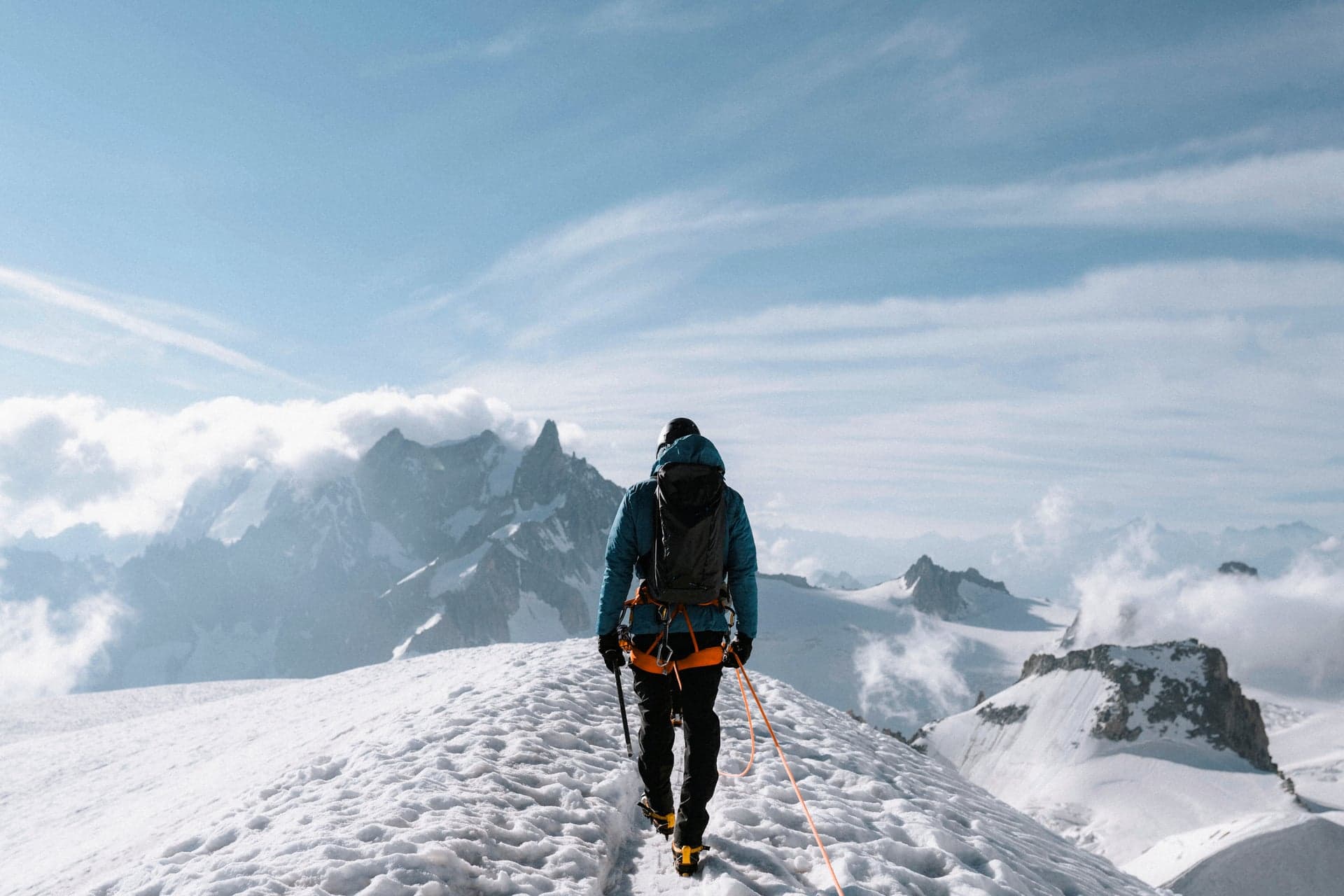
Altitude acclimatization is essential for safe high-altitude travel. Discover why your body needs time to adjust, how to prevent altitude sickness, and practical tips to stay healthy in mountain destinations like Ladakh.
Traveling to high-altitude destinations like Ladakh or trekking near Mount Everest is an unforgettable experience. However, rapid elevation gain can seriously impact your health if your body does not adjust properly.
That’s where altitude acclimatization becomes essential.
In this guide, you’ll learn why acclimatization is important, what happens to your body at high altitude, risks of ignoring it, and how to acclimatize safely.
🏔 What Is Altitude Acclimatization?
Altitude acclimatization is the process by which your body gradually adapts to lower oxygen levels at high elevations.
As you climb higher:
Air pressure drops
Oxygen levels decrease
Your body works harder to deliver oxygen
Without proper adjustment, you may develop Acute Mountain Sickness (AMS).
🚨 Why Altitude Acclimatization Is Important
Without proper adjustment, you may develop Acute Mountain Sickness (AMS). To understand practical prevention strategies, read our detailed guide on how to avoid altitude sickness in Ladakh before planning your trip.
1️⃣ Prevents Acute Mountain Sickness (AMS)
One of the biggest reasons acclimatization is important is to reduce the risk of AMS.
Common symptoms include:
Headache
Nausea
Fatigue
Dizziness
Shortness of breath
If untreated, AMS can develop into serious conditions like:
High Altitude Pulmonary Edema (HAPE)
High Altitude Cerebral Edema (HACE)
These can be life-threatening.
2️⃣ Helps Your Body Adjust to Low Oxygen
At high altitudes (above 2,500 meters), your body:
Breathes faster
Produces more red blood cells
Adjusts heart rate
This adaptation takes time. Rushing the process increases stress on your cardiovascular and respiratory systems.
For example, travelers flying directly into Leh (3,500 meters) are more prone to altitude sickness without proper rest.
3️⃣ Reduces Travel Disruptions
Ignoring acclimatization can:
Force you to cancel treks
Require emergency descent
Increase medical expenses
Cut your trip short
Proper acclimatization ensures you enjoy your trip safely and fully.
4️⃣ Improves Energy and Performance
If your body adapts properly:
You experience less fatigue
Trekking becomes easier
Sleep quality improves
Overall stamina increases
This is especially important for road trips across high mountain passes like:
Khardung La
Zoji La Pass
⏳ How Long Does Acclimatization Take?
Generally:
24–48 hours for moderate altitudes
Several days for higher elevations
Doctors recommend:
Not increasing sleeping altitude by more than 500 meters per day
Taking a rest day every 1,000 meters
⚠️ Who Needs Acclimatization the Most?
Certain travelers are at higher risk:
First-time high-altitude travelers
Senior citizens
People with asthma or heart conditions
Those flying directly to high elevations
Travelers rushing their itinerary
Even physically fit individuals are not immune.
✅ Best Tips for Proper Acclimatization
✔ Rest on Arrival
Spend 24–48 hours resting after arriving at high altitude.
✔ Stay Hydrated
Drink 3–4 liters of water daily.
✔ Avoid Alcohol
Alcohol worsens dehydration and breathing issues.
✔ Ascend Gradually
If traveling by road, increase altitude slowly.
✔ Listen to Your Body
Descend immediately if symptoms worsen.
❓ What Happens If You Ignore Acclimatization?
Ignoring acclimatization can result in:
Severe AMS
Hospitalization
Emergency evacuation
Life-threatening complications
Many altitude-related deaths occur due to rushing the ascent.
📍 Example: Acclimatization in Ladakh
If visiting Ladakh:
Day 1–2: Rest in Leh
Day 3: Visit nearby attractions
Day 4+: Travel to higher passes and valleys
This simple schedule dramatically reduces health risks.
🌍 Final Thoughts
Altitude acclimatization is not optional — it is a critical safety measure for high-altitude travel.
Whether you're trekking in the Himalayas, road-tripping across mountain passes, or exploring remote valleys, giving your body time to adjust can mean the difference between an unforgettable adventure and a medical emergency.
Plan smart. Ascend slowly. Acclimatize properly.
Written by