

Bali is more than beaches and sunsets — it's jungle waterfalls, ancient temples wreathed in incense, rice terraces that glow emerald at dawn, and some of the most flavorful food in Southeast Asia. This guide walks you through the 10 best places to visit, unmissable experiences from volcano sunrise hikes to sacred water purification rituals, honest budget breakdowns for every travel style, and the local secrets that turn a good trip into an unforgettable one.
This ultimate Bali travel guide covers everything you need to plan a perfect trip to the Island of the Gods. From sacred temples and hidden waterfalls to budget breakdowns, local food recommendations — it's your all-in-one resource for visiting Bali in 2026. Whether you're a first-timer or returning for another adventure, you'll find practical tips on where to stay, how to get around, what to eat, and the hidden gems most tourists never discover.
What's Inside This Guide
Why Visit Bali? A Quick Overview
Best Time to Visit Bali
Top 10 Best Places to Visit in Bali
Unmissable Things to Do in Bali
Hidden Gems Most Tourists Miss
Balinese Food & Where to Eat
Where to Stay: Accommodation Guide
Bali Travel Budget Breakdown
Getting Around Bali
Essential Travel Tips & Etiquette
Frequently Asked Questions
1. Why Visit Bali? A Quick Overview
Bali is not just an island — it is a feeling. Nestled in the Indonesian archipelago between Java and Lombok, this small volcanic island has captivated travelers for decades with its unique blend of spiritual depth, natural beauty, and warm hospitality. Whether you are a honeymooner searching for romance, a solo traveler seeking transformation, or a family looking for adventure, Bali has something remarkable waiting for you.
The island spans roughly 5,780 square kilometers, yet within that compact area you will find erupting volcanoes draped in emerald jungle, terraced rice paddies that cascade down hillsides like green staircases, pristine white-sand beaches alongside dramatic black-sand shores, and over 20,000 temples that fill the air with incense and the sound of gamelan music.
Bali's culture is deeply rooted in Hindu-Balinese traditions, making it a fascinating outlier in the world's most populous Muslim-majority country.
Tourism infrastructure in Bali is highly developed, meaning you can find everything from ultra-luxury cliff-top resorts to budget-friendly hostels within minutes of each other. The island also serves as a global hub for digital nomads, yoga practitioners, surfers, and wellness seekers, creating a vibrant international community layered over deeply traditional Balinese village life.
Bali at a Glance — Quick Facts | |
|---|---|
Location | Indonesia, between Java and Lombok |
Capital | Denpasar |
Language | Bahasa Indonesia, Balinese, English widely spoken in tourist areas |
Currency | Indonesian Rupiah (IDR) |
Time Zone | WITA (UTC+8) |
Visa | Visa on Arrival (30 days, extendable) for most nationalities |
Religion | Predominantly Hindu-Balinese |
Best For | Couples, solo travelers, families, digital nomads, surfers |
2. Best Time to Visit Bali
Bali enjoys a tropical climate with two distinct seasons, and understanding them is key to planning your trip well. The dry season runs from April through October, while the wet season spans November through March. Both seasons have their advantages, and Bali is genuinely a year-round destination — though your ideal timing depends on what you want to experience.
The dry season, particularly the months of May, June, and September, is widely considered the best time to visit. Humidity is lower, rainfall is minimal, and the skies are reliably clear, making it ideal for beach days, temple visits, volcano hikes, and outdoor adventures. July and August are the peak tourist months, which means higher prices and larger crowds at popular attractions, but also the most consistently beautiful weather.
The wet season brings afternoon downpours that are usually short and intense, followed by sunshine. Mornings are often clear, and the landscape becomes dramatically lush and green. If you do not mind occasional rain, visiting between November and March offers significant savings on accommodation and flights, fewer crowds at temples and attractions, and a more authentic experience of daily Balinese life. The rice terraces are at their most vibrant green during this period as well.
Pro Tip |
|---|
The shoulder months of April and October offer the best balance — dry weather, moderate prices, and thinner crowds. If you want to avoid the masses at Uluwatu Temple or Tegallalang, these months are your sweet spot. |
One important cultural consideration: Nyepi, the Balinese Day of Silence (usually in March), is a unique experience but means the entire island shuts down for 24 hours. No flights, no driving, no lights, no noise. If you time your visit around Nyepi, you will witness the spectacular Ogoh-Ogoh parades the night before — towering demonic effigies paraded through the streets — which is one of the most unforgettable cultural spectacles in Southeast Asia.
3. Top 10 Best Places to Visit in Bali
Bali's geography is remarkably diverse for its size, and each region has a distinct personality. Here are the ten destinations that deserve a place on every Bali itinerary, from the well-known icons to the surprisingly underrated.
Ubud — The Cultural Heart
Ubud is where Bali's artistic and spiritual soul lives. Surrounded by jungle-covered ravines and terraced rice fields, this inland town is the island's cultural capital. The Ubud Royal Palace hosts nightly traditional dance performances, and the town's art market is a treasure trove of handcrafted goods. Beyond the center, you will find the Sacred Monkey Forest Sanctuary, home to over 700 long-tailed macaques roaming through ancient temple ruins draped in moss. Ubud is also the epicenter of Bali's wellness scene, with world-class yoga studios, meditation retreats, and organic cafés lining every street.
Seminyak — Beach Life & Nightlife
Seminyak is Bali's most cosmopolitan beach area, known for its upscale boutiques, world-class restaurants, trendy beach clubs, and vibrant nightlife. The sunsets here are legendary — grab a beanbag at one of the beachfront bars and watch the sky ignite in shades of orange and purple. Seminyak Beach itself is wide and sandy, perfect for surfing and sunset strolls. This is the place to be if you enjoy a mix of relaxation and social energy.
Uluwatu — Dramatic Cliffs & World-Class Surf
The Bukit Peninsula's crown jewel, Uluwatu sits atop towering limestone cliffs that plunge into the Indian Ocean. The Uluwatu Temple (Pura Luhur Uluwatu) is one of Bali's six key spiritual pillars, perched 70 meters above the sea. The nightly Kecak fire dance performed at sunset, with the ocean as a backdrop, is one of the most iconic experiences on the island. Below the cliffs, world-renowned surf breaks like Padang Padang and Bingin attract surfers from around the globe, and hidden beaches accessible via steep staircases offer secluded paradise.
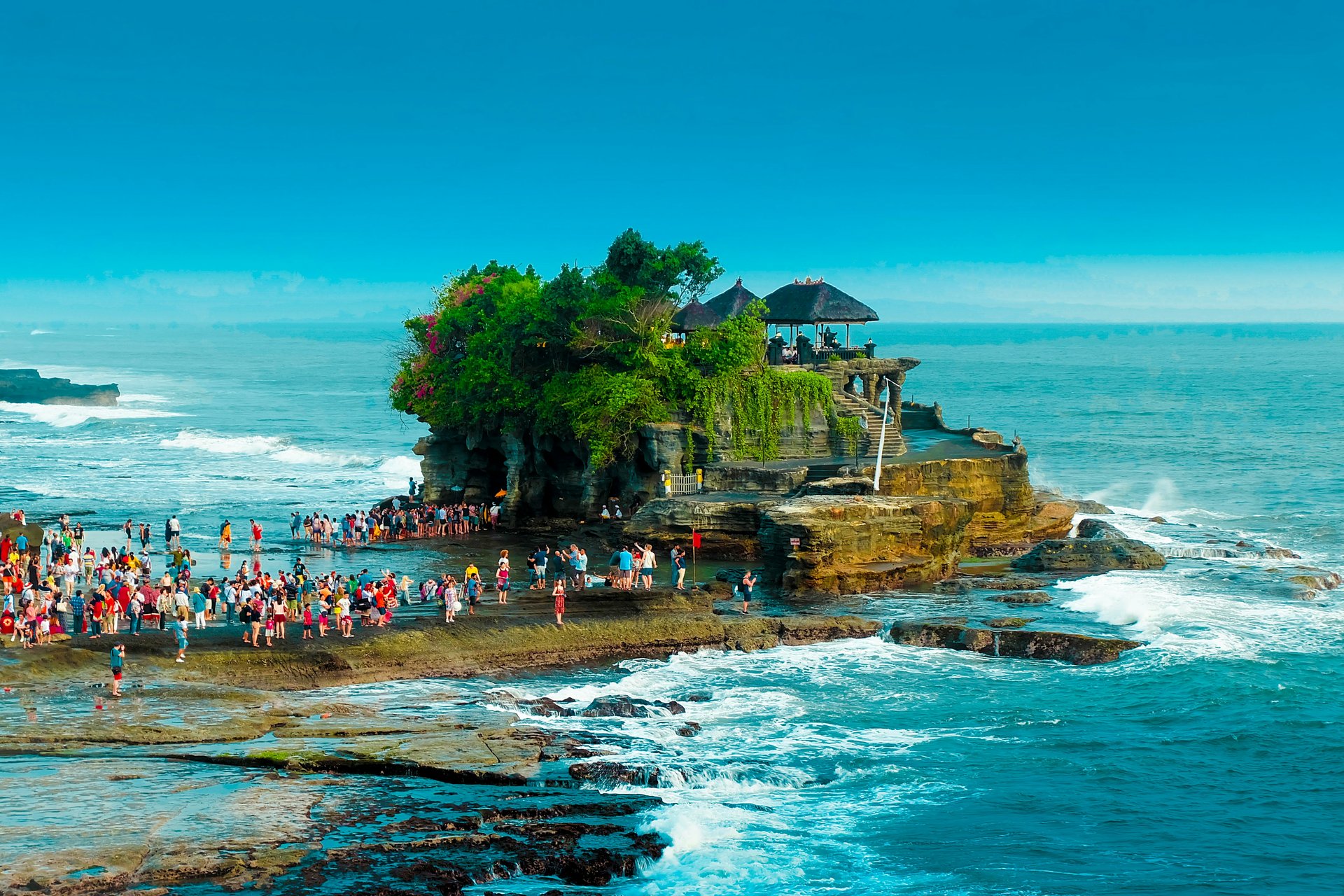
Uluwatu Temple — perched on a cliff edge 70 meters above the crashing Indian Ocean surf
Canggu — The Digital Nomad Hub
Once a sleepy surf village, Canggu has transformed into Bali's trendiest neighborhood. Black-sand beaches, rice paddy views, co-working spaces, and an incredible café culture make it the unofficial capital for digital nomads and young travelers. The surf here is excellent for beginners and intermediates, and the food scene — from acai bowls to authentic Indonesian warungs — is one of the best on the island. Canggu perfectly balances the laid-back surf vibe with modern convenience.
Nusa Penida — Untamed Island Beauty
A short boat ride from mainland Bali, Nusa Penida is the island's wild younger sibling. Towering sea cliffs, dramatic rock formations like Kelingking Beach (the famous T-Rex cliff), and crystal-clear waters teeming with manta rays make this a must-visit. The island is less developed than Bali, with bumpy roads and limited infrastructure, which is precisely what gives it an adventurous, frontier-like charm. Angel's Billabong and Broken Beach are geological wonders you will not find anywhere else on Earth.
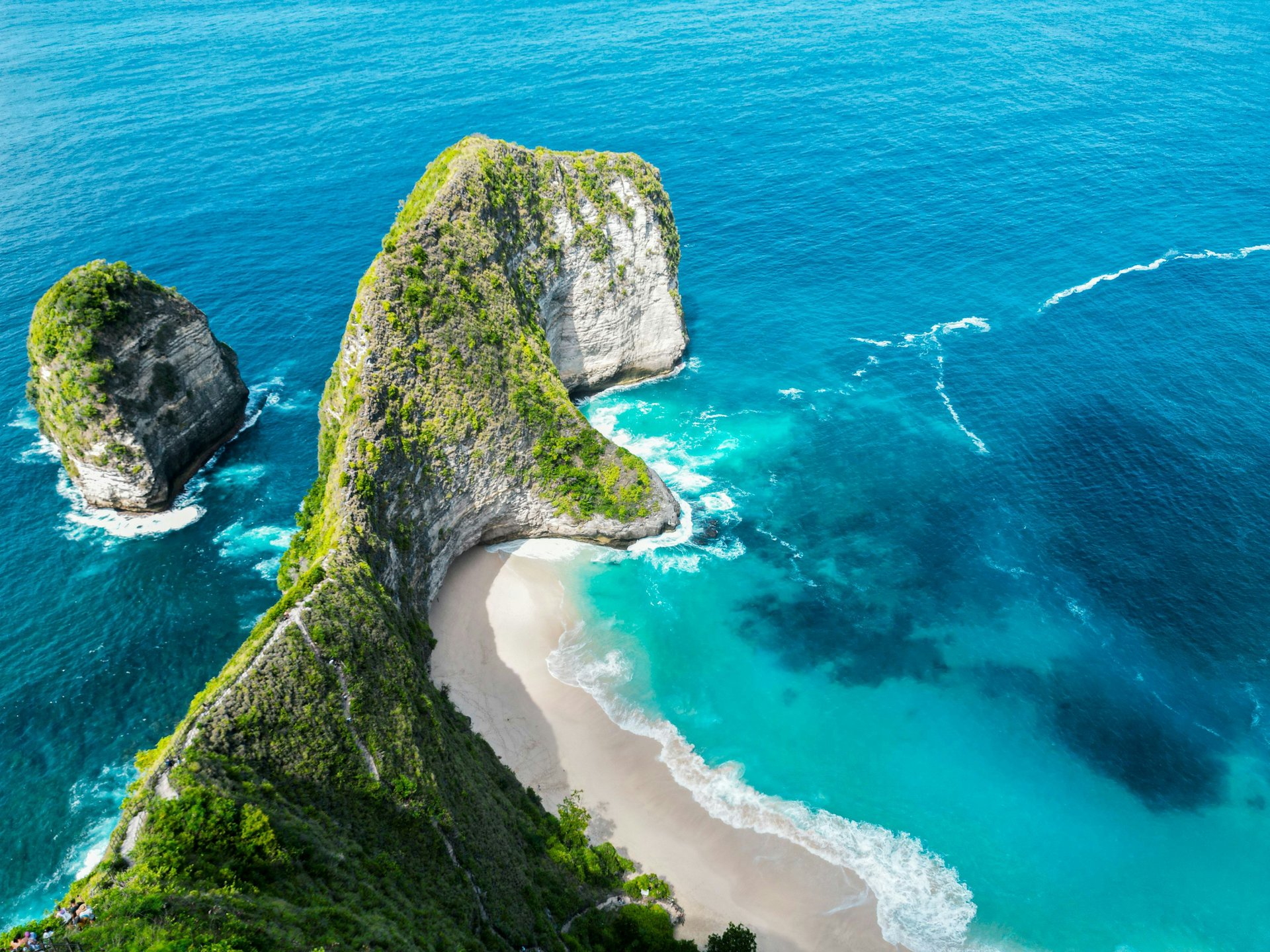
Kelingking Beach, Nusa Penida — the iconic T-Rex cliff
Tegallalang Rice Terraces — The Iconic Landscape
Just north of Ubud, the Tegallalang Rice Terraces are the most photographed landscape in Bali and a UNESCO Cultural Landscape site. The terraces use the traditional Balinese cooperative irrigation system called subak, which dates back to the 9th century. Walking through the cascading green paddies early in the morning, before the tour buses arrive, is a meditative experience that connects you to Bali's agricultural heritage. Several cafés perched along the ridge offer stunning panoramic views — a perfect spot for breakfast.
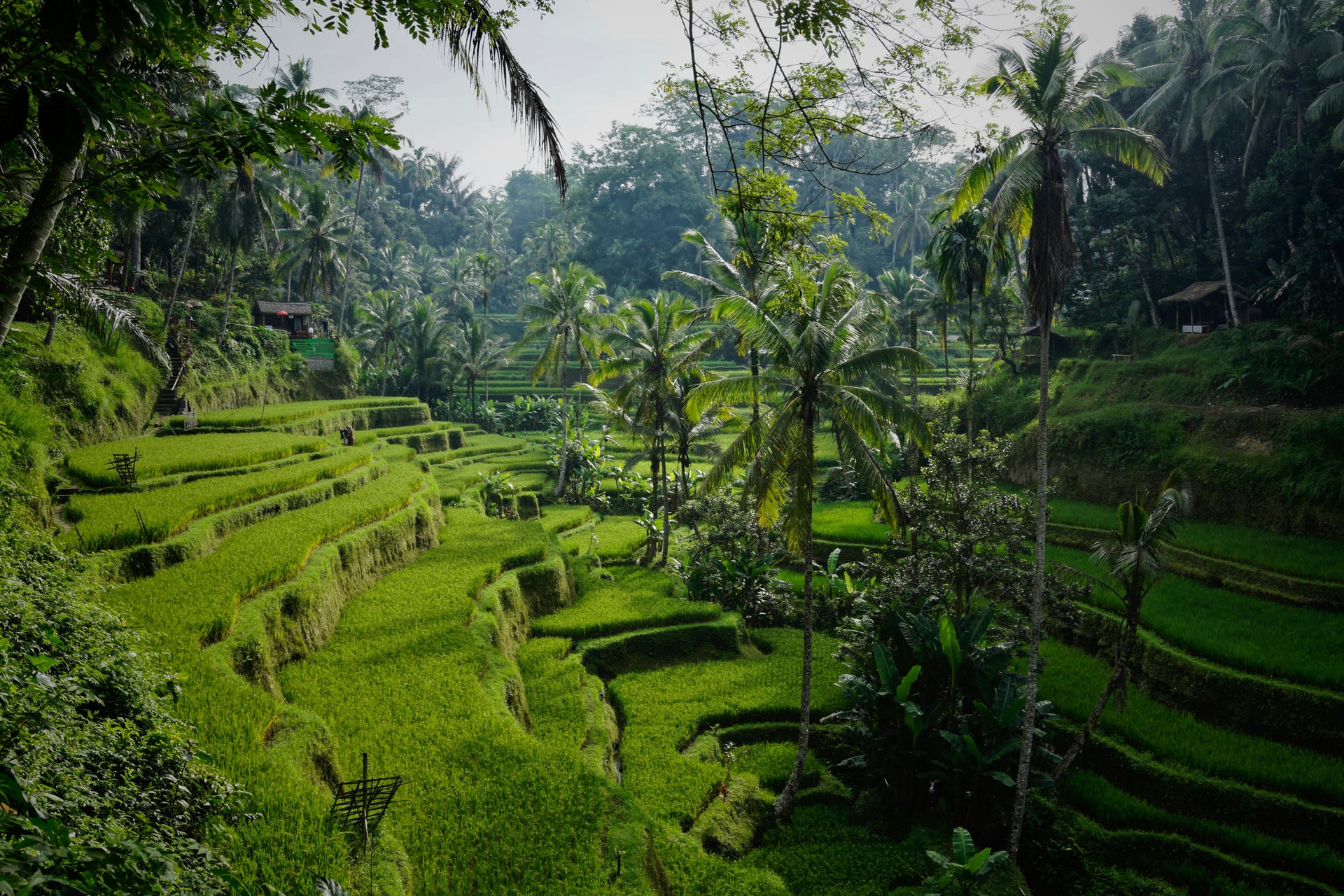
Bali's iconic rice terraces — a UNESCO-recognized cultural landscape that defines the island's soul
Mount Batur — Sunrise Above the Clouds
Hiking to Mount Batur for sunrise is one of Bali's quintessential experiences. The active volcano stands at 1,717 meters, and the pre-dawn trek (starting around 3:30 AM) takes roughly two hours. At the summit, you are rewarded with a breathtaking panorama as the sun rises over Mount Agung and Lake Batur, painting the sky in shades of gold and pink. Local guides cook eggs in the volcanic steam vents at the top. It is challenging but accessible for anyone with reasonable fitness.
Tirta Empul — Sacred Water Temple
Tirta Empul ancient Hindu temple near Ubud is built around a natural spring that Balinese Hindus believe has purifying and healing properties. Visitors can participate in the melukat purification ritual, wading through the temple's sacred pools and standing under each of the 30 water spouts while offering prayers. It is a deeply moving spiritual experience that offers a genuine window into Balinese religious practice — far more immersive than simply observing from behind a rope.
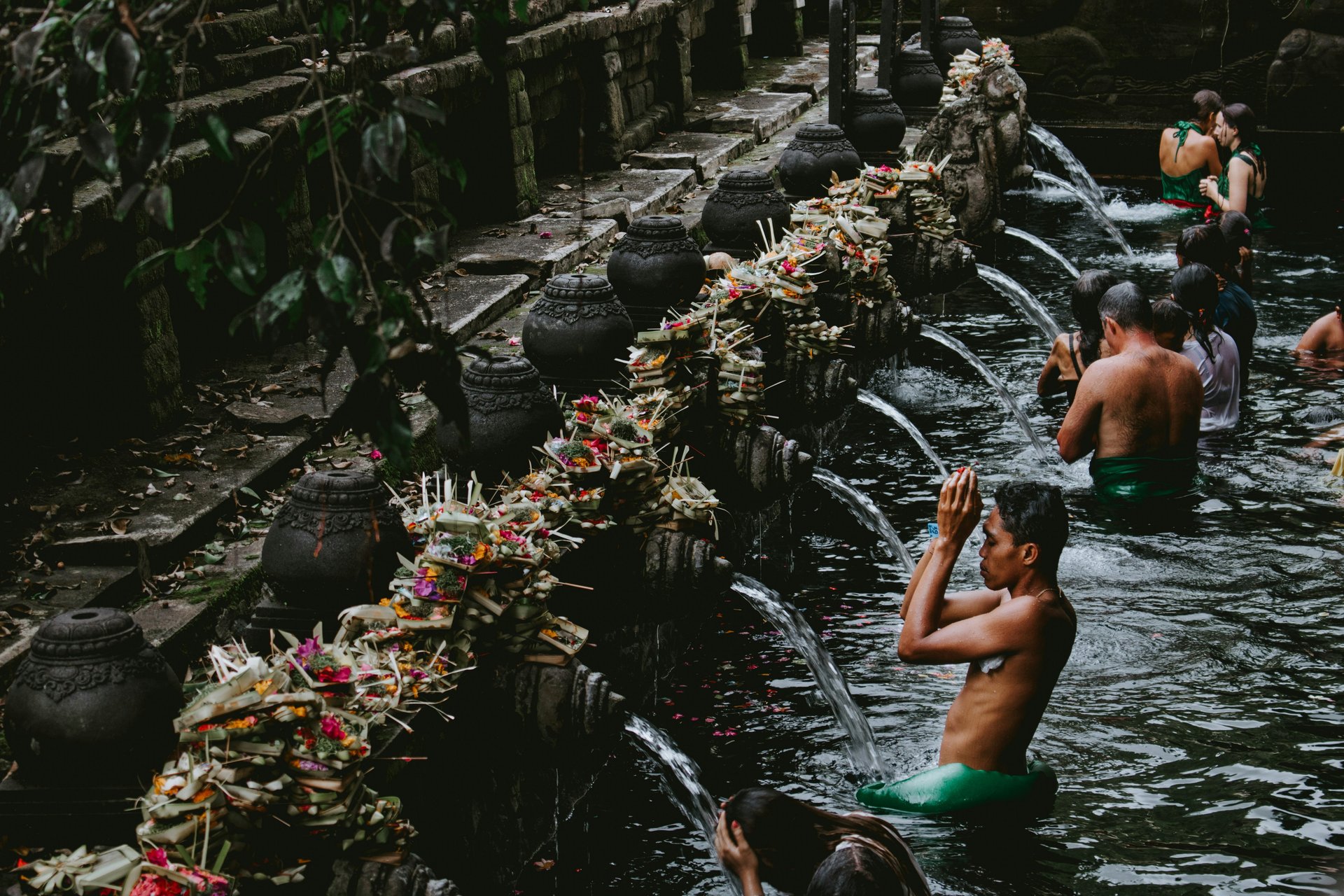
Tirta Empul temple is a Hindu Balinese Water Temple
Jimbaran Bay — Seafood Sunsets
Jimbaran Bay is famous for its crescent-shaped bay where dozens of seafood restaurants set up tables directly on the sand each evening. You choose your fish, lobster, or prawns fresh from the day's catch, and it is grilled right in front of you while you sit with your feet in the sand watching the sunset. It is one of the most romantic and delicious dining experiences in Bali — simple, fresh, and unforgettable.
Lovina — The Quiet North
On Bali's northern coast, Lovina offers a completely different pace. Known for its black-sand beaches, calm waters, and dolphin-watching boat trips at sunrise, Lovina feels like Bali from three decades ago. The nearby Banjar Hot Springs and Gitgit Waterfall make excellent day-trip additions. If you are looking to escape the southern tourist corridor entirely, Lovina is your sanctuary.
4. Unmissable Things to Do in Bali
Beyond sightseeing, Bali offers an extraordinary range of activities that engage all your senses. Here are the experiences that consistently rank as travelers' most cherished memories.
Chase waterfalls. Bali is home to dozens of spectacular waterfalls, many hidden deep in the jungle. Sekumpul Waterfall in the north is widely considered the most beautiful on the island — a multi-stream cascade plunging 80 meters into a lush gorge. Tibumana near Ubud is smaller but incredibly photogenic, and Tukad Cepung is a unique waterfall inside a cave where light streams through the rock ceiling. Most waterfalls require a short hike, which is part of the adventure.
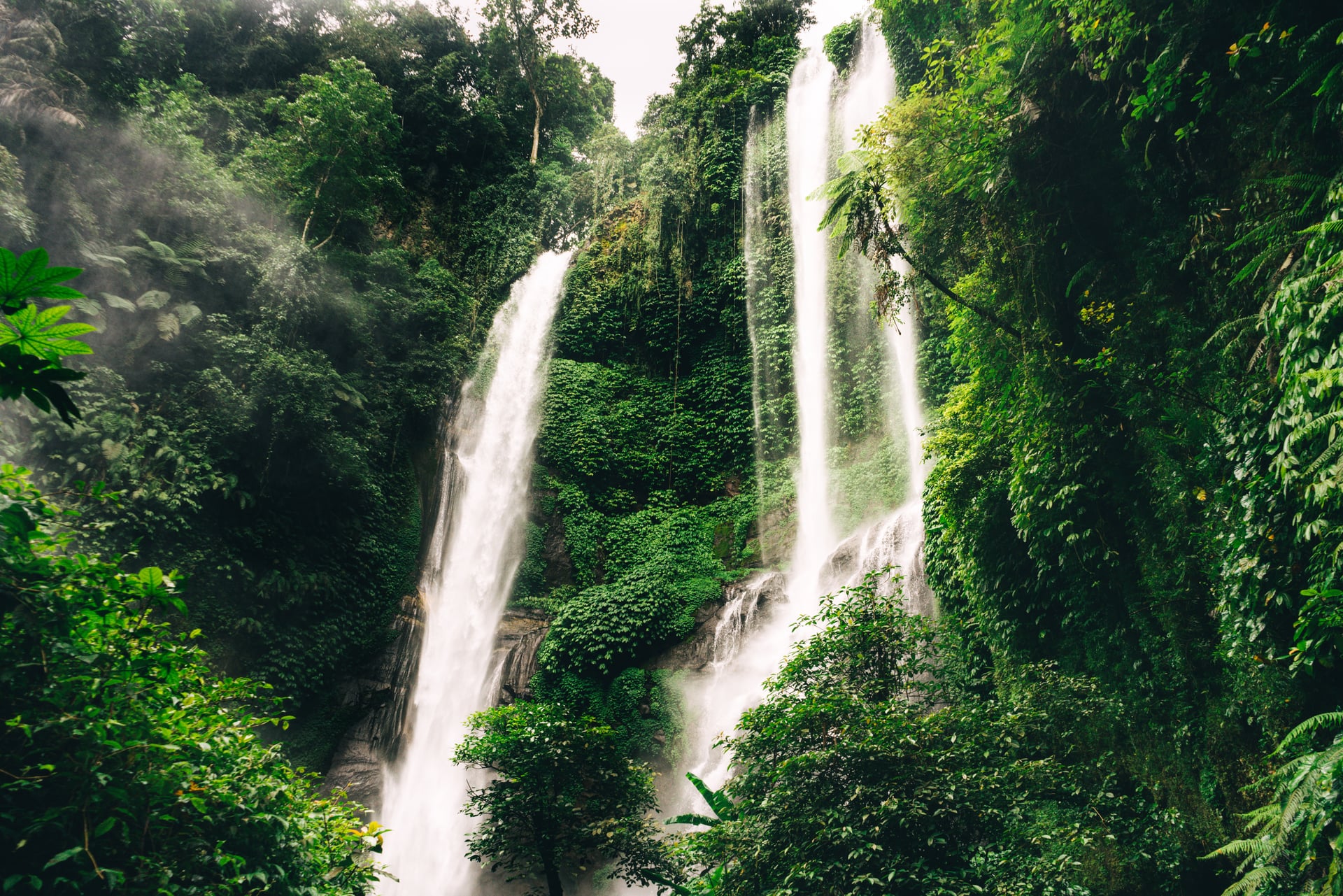
Sekumpul waterfall bali surrounded by tropical forest
Surf the legendary breaks - Bali is one of the world's premier surf destinations, with waves for every skill level. Beginners should head to Kuta Beach or Batu Bolong in Canggu, where gentle waves and affordable lessons make learning easy. Intermediate surfers love the consistent reef breaks at Uluwatu, while advanced surfers seek out the barrels at Padang Padang and the raw power of Keramas. Board rentals are available everywhere, and a two-hour private surf lesson costs as little as $25–35.
Attend a traditional dance performance - Balinese dance is a mesmerizing art form that combines intricate hand movements, expressive eye work, elaborate costumes, and live gamelan music. The Kecak fire dance at Uluwatu Temple is the most famous, featuring a chorus of 70+ men chanting in rhythmic unison around a blazing fire, but the Legong and Barong dances in Ubud are equally captivating and offer a deeper dive into Balinese mythology.
Explore underwater worlds - The waters around Bali are teeming with marine life. The USAT Liberty shipwreck in Tulamben, resting just 30 meters from shore, is one of the most accessible wreck dives in the world and a haven for turtles, reef sharks, and colorful coral. Nusa Penida's Manta Point offers guaranteed manta ray encounters during season, and the coral gardens of Menjangan Island in West Bali National Park are pristine and uncrowded.
Indulge in a Balinese spa treatment - Bali is synonymous with wellness, and a traditional Balinese massage is an essential experience. Treatments often include flower baths, body scrubs with local spices, and hours of deep-tissue work — all for a fraction of what you would pay elsewhere. High-end spas like COMO Shambhala and Fivelements offer transformative multi-day wellness programs, while neighborhood spas provide excellent one-hour massages for $10–15.
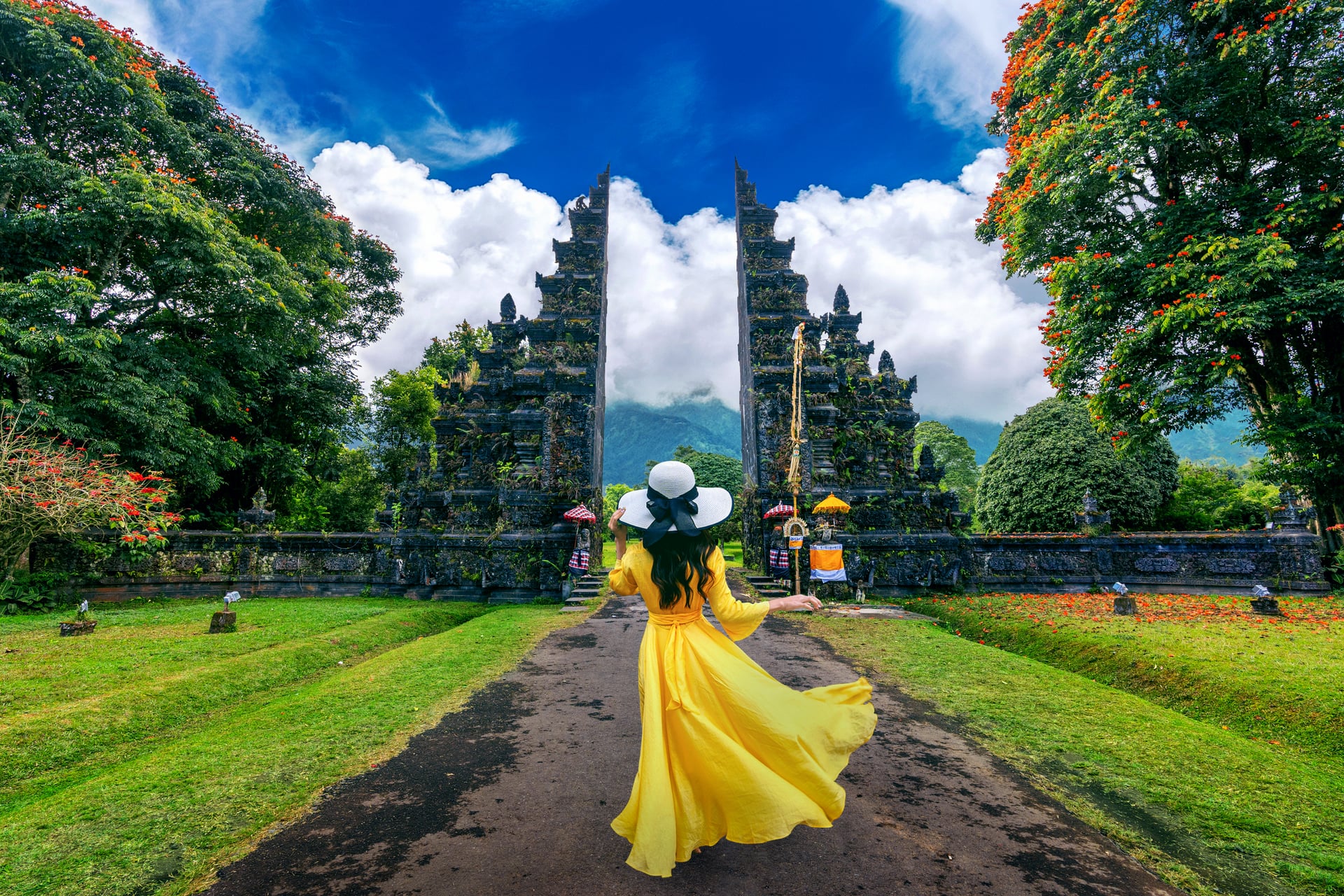
Visit the Gates of Heaven - Lempuyang Temple (Pura Lempuyang Luhur) on the slopes of Mount Lempuyang has become one of Bali's most photographed spots, thanks to its split gateway that perfectly frames Mount Agung in the distance. Arrive early to avoid long queues, and be prepared for a moderately steep climb through the temple complex, which contains seven temples connected by over 1,700 steps.
5. Hidden Gems Most Tourists Miss
Bali rewards those who venture beyond the well-trodden path. While the popular attractions are popular for good reason, some of the island's most magical experiences are found in places that most visitors never discover.
Sidemen Valley is often described as what Ubud looked like 30 years ago. This lush valley in East Bali is surrounded by rice terraces, traditional weaving villages, and views of Mount Agung that will stop you in your tracks. Accommodation here is limited to a handful of boutique guesthouses, which means you will often have the trails and viewpoints entirely to yourself. It is the ideal place to experience authentic rural Balinese life.
Munduk in the central highlands is a former Dutch colonial hill station surrounded by coffee plantations, clove farms, and misty jungle. The area is laced with hiking trails that lead to hidden waterfalls — Munduk Waterfall, Melanting Waterfall, and the twin Banyumala Falls are all spectacular and receive a fraction of the visitors that southern Bali waterfalls do. The cool mountain air is a welcome respite from the coastal heat.
Amed on the northeast coast is a string of quiet fishing villages with excellent snorkeling directly off the black-sand beach. The Japanese shipwreck just offshore is easily accessible even without scuba certification, and the village's traditional jukung fishing boats lined up on the beach at sunrise create one of Bali's most photogenic scenes. Amed is also the gateway to some of Bali's best diving sites.
Taman Ayun Temple in Mengwi is one of the most beautiful temple complexes on the island but sees only a fraction of the visitors that Tanah Lot or Uluwatu receive. Surrounded by a moat and lush gardens, this royal temple's multi-tiered shrines (meru) are stunning, and the peaceful atmosphere makes it a much more contemplative experience than the busier temples.
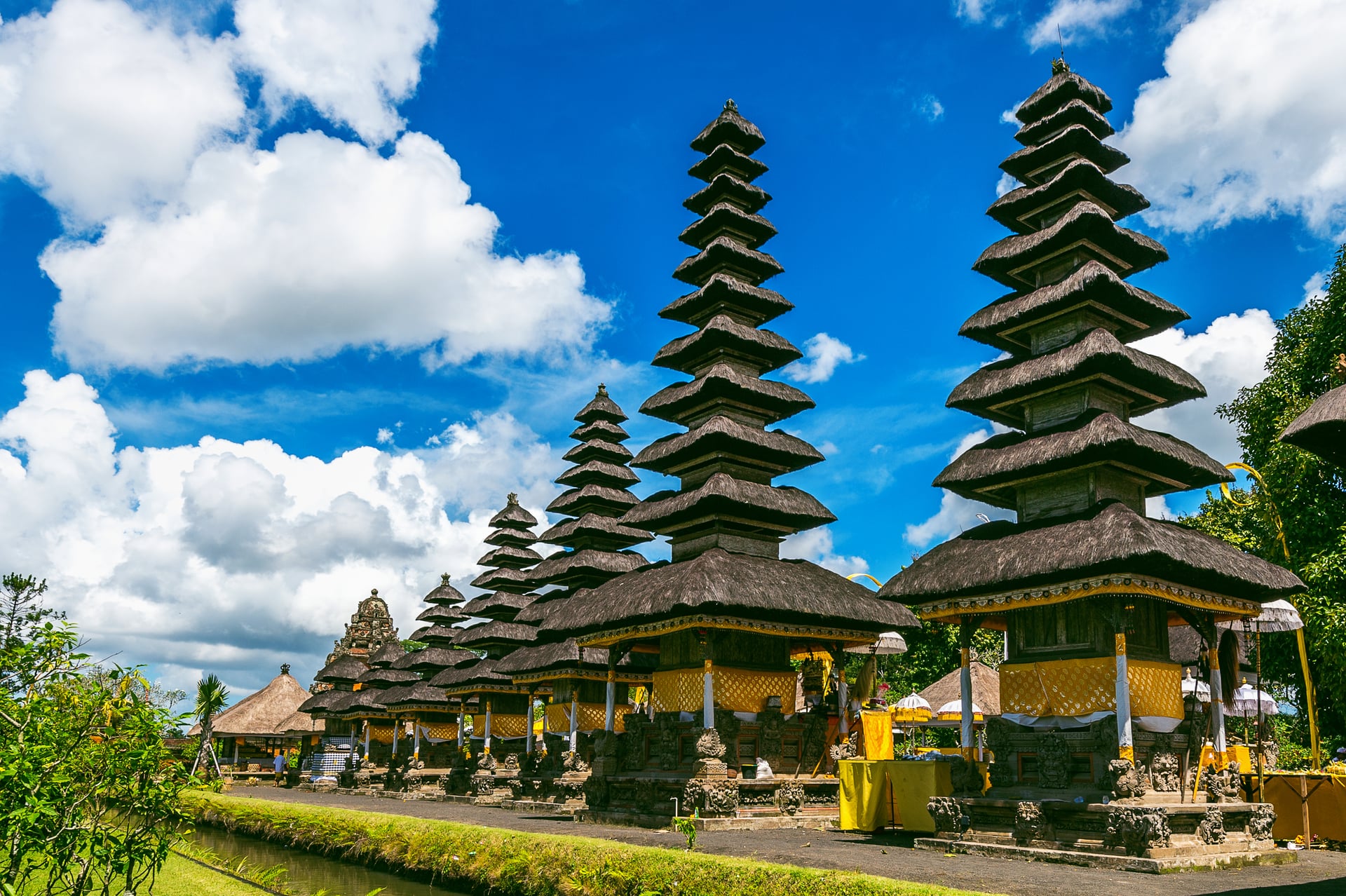
Pura taman ayun temple in bali
6. Balinese Food & Where to Eat
Balinese cuisine is one of the most flavorful and complex in Southeast Asia, built on a foundation of fresh spices, coconut, and slow-cooked techniques passed down through generations. Eating well in Bali is remarkably affordable, and the range spans from $1 street food to Michelin-level fine dining.
Babi Guling (suckling pig) is Bali's signature dish — a whole pig stuffed with a paste of turmeric, lemongrass, garlic, ginger, and chili, then spit-roasted for hours until the skin is impossibly crispy and the meat falls apart. Ibu Oka in Ubud is the most famous spot, but locals will tell you that Babi Guling Pak Malen in Seminyak and Babi Guling Chandra in Denpasar are equally outstanding.
Nasi Campur (mixed rice) is the everyday meal you will encounter everywhere. A mound of steamed rice is surrounded by small portions of various dishes — spiced vegetables, shredded chicken, tempeh, sambal, peanuts, fried shallots, and more. Each warung (family-run eatery) has its own unique combination, and eating nasi campur at a local warung for $1–2 is one of the most authentic and delicious meals you can have.
Other dishes to seek out include Lawar (a traditional mixed vegetable and meat dish with grated coconut), Sate Lilit (Balinese minced fish or chicken satay wrapped around lemongrass sticks), Bebek Betutu (duck slow-cooked in banana leaves for up to 24 hours), and Jaje Bali (traditional Balinese cakes and sweets made from rice flour and palm sugar).
For the adventurous foodie, Bali's café scene is equally impressive. The island has become a global hotspot for plant-based cuisine, with restaurants like Sage in Canggu and Alchemy in Ubud pushing the boundaries of vegan and raw food. The coffee culture is thriving too — Bali-grown single-origin beans are served at specialty cafés throughout Canggu and Ubud, and a visit to a coffee plantation in the highlands to taste the famous (and controversial) Luwak coffee is a popular excursion.
Eating Tip |
|---|
The best food in Bali is often the cheapest. Skip the tourist restaurants on main roads and follow the locals to small warungs tucked down side streets. Look for places with high turnover — it means the food is fresh and popular. A complete meal at a local warung rarely costs more than 25,000–40,000 IDR ($1.50–2.50). |
7. Where to Stay: Accommodation Guide
Bali's accommodation options are as diverse as the island itself, and where you stay dramatically shapes your experience. Here is a breakdown of the main areas and what they offer, along with guidance on what to expect at different price points.
Ubud is ideal for culture lovers, wellness seekers, and those who want to be surrounded by nature. Accommodation here ranges from simple guesthouses with rice paddy views ($15–25/night) to stunning jungle villas with private infinity pools ($150–400/night). The famous Hanging Gardens of Bali, with its iconic multi-level infinity pool overlooking a river valley, is one of the most photographed hotels in the world.
Seminyak and Canggu are best for those who want beach access, nightlife, and a trendy social scene. Seminyak skews more upscale, with boutique hotels and luxury villas, while Canggu offers a wider range of budget-friendly hostels and mid-range options popular with digital nomads and surfers. Expect to pay $8–15 for a hostel dorm, $30–60 for a comfortable mid-range hotel, and $100–300+ for a private villa with pool.
Uluwatu is perfect for surfers and those seeking dramatic cliff-top settings. Accommodation ranges from basic surf camps near the breaks to spectacular cliff-edge resorts like The Edge and Alila Villas Uluwatu, which offer some of the most jaw-dropping ocean views you will ever wake up to.
Nusa Dua is the resort enclave, home to international luxury chains and expansive beachfront properties. It is the most manicured and controlled area of Bali — ideal for families seeking an all-inclusive resort experience but less representative of authentic Balinese atmosphere.
Booking Tip |
|---|
Always book accommodation with free cancellation when possible, and check multiple platforms. Booking directly with hotels or villas through WhatsApp or their websites often yields lower prices than third-party booking sites. For stays longer than a week, negotiate — monthly villa rates in Canggu or Ubud can be surprisingly affordable ($400–800/month for a comfortable private villa). |
8. Bali Travel Budget Breakdown
One of Bali's greatest advantages is that it caters to virtually every budget. You can have an incredible trip whether you are backpacking on $30 a day or splurging $300+ a day. Here is a realistic breakdown of daily costs for three different travel styles.
Budget Traveler
$30–50 /day
Hostel dorms, warung meals, scooter rental, free beaches & temples
Mid-Range
$80–150 /day
Private hotel room, mix of local & restaurant dining, private tours
Luxury
$250+ /day
Private villa with pool, fine dining, private driver, spa treatments
To give you more specifics: a local warung meal costs $1–3, a restaurant meal $5–15, and a fine dining experience $30–80. Scooter rental runs $4–7/day, while a private car with driver for a full day of sightseeing costs $35–50. Entrance fees to temples and attractions are typically $1–5 for international visitors. A one-hour Balinese massage ranges from $8–15 at a local spa to $50–100 at a luxury resort. Surf lessons cost $20–35 for two hours, and a day trip to Nusa Penida (including boat, lunch, and transport) runs $30–50.
The biggest variable in your budget will be accommodation and alcohol. A beer at a beach bar costs $3–5, while cocktails run $6–12. If you stick to local drinks like Bintang beer and arak-based cocktails, you will spend considerably less than ordering imported spirits.
9. Getting Around Bali
Transportation in Bali is one of the few aspects that can be genuinely frustrating, but understanding your options makes a huge difference. There is no public transit system to speak of, so you will need to arrange your own transport.
Scooter rental is the most popular and affordable option. At $4–7 per day, a scooter gives you complete freedom to explore at your own pace. However, Bali's traffic can be chaotic, roads are narrow and sometimes poorly maintained, and accidents involving tourists on scooters are unfortunately common. If you choose to ride, always wear a helmet, ensure you have travel insurance that covers motorbike use, and start with quieter roads before tackling busy areas. An international driving permit (IDP) is technically required.
Private driver is the most comfortable option and surprisingly affordable. Hiring a car with a driver for a full day (8–10 hours) costs $35–50, and your driver will typically serve as an informal guide, suggesting stops and sharing local knowledge. This is the best option for day trips to places like Tirta Empul, Mount Batur, or Lempuyang Temple, where the drive is long and the roads are unfamiliar.
Ride-hailing apps like Grab and Gojek work in Bali and are inexpensive for short trips. A 20-minute ride typically costs $2–4. However, be aware that traditional taxi drivers in some areas (particularly around Seminyak and the airport) have resisted ride-hailing services, so pickups can sometimes be complicated — you may need to walk to a nearby main road.
Transport Tip |
|---|
For airport transfers, pre-book through your hotel or use a reputable service to avoid the notorious taxi touts at Ngurah Rai Airport. The official airport taxi counter inside the arrivals hall offers fixed-price fares that, while slightly above Grab prices, are hassle-free and reliable. |
10. Essential Travel Tips & Etiquette
Bali is a welcoming and forgiving destination, but understanding local customs and practical realities will make your trip smoother and more respectful. Here are the tips that seasoned Bali travelers wish they had known on their first visit.
Dress respectfully at temples. Both men and women must cover their shoulders and knees when entering any temple. Most temples provide sarongs for rent or loan at the entrance, but carrying your own is more convenient. Women who are menstruating are traditionally asked not to enter temples — this is a deeply held religious belief, and it is important to respect it.
Negotiate with kindness. Bargaining is expected at markets and with taxi drivers, but it should always be done with a smile and mutual respect. A good rule of thumb is to start at 40–50% of the asking price and meet somewhere in the middle. Never bargain aggressively or walk away in anger — the amounts you are negotiating over are often tiny in dollar terms but meaningful to local vendors.
Beware of common scams. The most frequent ones include money changers offering unrealistically good rates (use ATMs or reputable exchange offices instead), taxi drivers who refuse to use meters (insist on Grab or metered taxis), and tours that include mandatory stops at overpriced shops. Being aware of these is usually enough to avoid them.
Stay hydrated and sun-safe. Bali is equatorial, and the sun is significantly stronger than in temperate climates. Drink at least 2–3 liters of water daily (bottled water only — do not drink tap water), apply reef-safe sunscreen frequently, and take midday breaks in the shade. Heat exhaustion is one of the most common health issues among tourists.
Get travel insurance. This is non-negotiable. Medical facilities in Bali are decent for minor issues, but anything serious requires evacuation to Singapore or Australia, which can cost tens of thousands of dollars. Ensure your policy covers motorbike use if you plan to ride a scooter.
Respect the offerings. You will see small palm-leaf baskets (canang sari) filled with flowers, incense, and small food items placed on the ground throughout Bali. These are daily offerings to the gods and spirits, and they are sacred. Walk around them rather than stepping on them, even when they are placed on sidewalks or in doorways.
11. Frequently Asked Questions
Is Bali safe for solo travelers and women traveling alone?
Yes, Bali is generally very safe. Violent crime against tourists is extremely rare, and solo female travelers feel comfortable in Ubud, Canggu, and Seminyak. Standard precautions apply — watch your belongings, use reputable transport, and avoid unlit streets late at night.
Do I need a visa to visit Bali?
Most nationalities can get a Visa on Arrival (VOA) at the airport for ~$35 USD, granting a 30-day stay extendable once for another 30 days. For longer stays, look into the B211A visa or the Digital Nomad Visa. Always check the latest rules before traveling.
How many days do I need in Bali?
A minimum of 7 days covers the major highlights. With 10–14 days you can explore hidden gems like Sidemen and Amed at a relaxed pace. Combining Bali with other Indonesian destinations? Plan for 2–3 weeks total.
Is Bali expensive?
Not at all — it's one of the best-value tropical destinations in the world. Budget travelers spend $30–50/day, mid-range $80–150/day, and luxury $250+/day. Eat at local warungs and use Grab for transport to keep costs low.
What should I pack for Bali?
Light, breathable clothing, a sarong for temples, reef-safe sunscreen, insect repellent, comfortable walking shoes, swimwear, a light rain jacket, and any prescription medications. Leave jeans and formal wear at home — Bali is casual.
Can I use credit cards in Bali, or do I need cash?
You'll need both. Cards work at hotels, restaurants, and beach clubs, but warungs, markets, and temples are cash-only. ATMs (BCA and Mandiri are most reliable) are plentiful. Carry small denominations and inform your bank of your travel dates.
Is it safe to drink the water in Bali?
No — always drink bottled or filtered water. Ice at reputable restaurants is usually safe. Carry a reusable bottle with a built-in filter or use the refill stations now available across the island to reduce plastic waste.
What is the Wi-Fi situation like in Bali?
Excellent in tourist areas. Cafés and co-working spaces in Canggu, Ubud, and Seminyak offer 30–100 Mbps. For on-the-go connectivity, grab a Telkomsel SIM card at the airport for $5–10 with generous data included.
Ready to Plan Your Bali Adventure? |
|---|
Bali is more than a destination — it is an experience that transforms everyone who visits. Whether you come for the temples, the surf, the food, or the sheer beauty of it all, the Island of the Gods has a way of getting under your skin and calling you back again and again. Start planning, book that flight, and let Bali work its magic. |
Written by