

Altitude sickness hits roughly 25-50% of visitors to Leh. Understanding what AMS actually feels like, how acclimatization works at 3,500 meters, and when symptoms cross from uncomfortable into dangerous can shape every decision about a Ladakh trip.
The headache that arrives six hours after landing in Leh
The flight from Delhi to Leh takes about an hour and twenty minutes. In that time, the body goes from roughly 200 meters above sea level to 3,500 meters. No gradual ascent, no overnight stops at intermediate elevations — just a pressurized cabin, a window view of brown ridgelines, and then the tarmac at Kushok Bakula Rimpochee Airport.
Six hours later, the headache shows up. Not always dramatic. Sometimes it's a dull pressure behind the temples. Sometimes it's a wave of nausea after climbing a single flight of stairs. The air in Ladakh carries roughly 40% less oxygen than air at sea level, and the body doesn't adjust to that quietly.
Acute Mountain Sickness — AMS — affects an estimated 25 to 50 percent of visitors who arrive in Leh by air. That's not a fringe risk. It's closer to a coin flip. And the uncomfortable truth is that fitness, age, and prior travel experience have almost nothing to do with who gets hit. A marathon runner might be doubled over while the person next to them on the flight feels nothing beyond mild fatigue. The altitude doesn't care about training logs.
What matters is understanding what's happening inside the body, recognizing when discomfort crosses into danger, and knowing what to do before a trip to higher passes like Khardung La or Chang La on a standard 7-day route makes things worse.
What altitude sickness actually does to the body — and who it hits
Above 2,500 meters, the partial pressure of oxygen drops enough that the body starts compensating. Breathing rate increases. Heart rate climbs. Blood vessels in the brain dilate to push more oxygen through. These adjustments take time — usually 24 to 72 hours for the initial phase at Leh's altitude, and longer for anything above 4,500 meters.
When the body can't compensate fast enough, AMS develops. The Lake Louise Scoring System, which doctors use to diagnose it, treats headache as the cardinal symptom. But the headache is only the most obvious part. Underneath, there's a cascade: fluid retention in brain tissue, disrupted sleep architecture, reduced appetite, and a strange restlessness that makes lying still feel impossible even when exhaustion is total.
The symptom timeline most visitors experience
Symptoms typically appear 6 to 24 hours after arrival at altitude. For flyers landing in Leh, this usually means the first evening or the first night. Sleep is often the worst part — a pattern called periodic breathing kicks in, where breathing slows or stops briefly during sleep, then resumes with a gasp. It's harmless but deeply unsettling, and it leaves people feeling unrested even after eight hours in bed.
Symptom | Onset Window | Severity Indicator |
|---|---|---|
Headache (pressure, throbbing) | 6-12 hours | Mild AMS — common |
Nausea, loss of appetite | 6-24 hours | Mild to moderate AMS |
Dizziness, lightheadedness | 6-24 hours | Moderate AMS |
Disrupted sleep, periodic breathing | First night | Normal at altitude — not necessarily AMS |
Fatigue, weakness on minimal exertion | 12-36 hours | Moderate AMS |
Persistent vomiting | 12-48 hours | Severe AMS — descend |
Confusion, loss of coordination | 24-72 hours | HACE — emergency |
Breathlessness at rest, wet cough | 2-5 days | HAPE — emergency |
When AMS becomes HACE or HAPE
Most AMS resolves within 24 to 48 hours with rest and hydration. But in a small percentage of cases, it progresses. High Altitude Cerebral Edema (HACE) is the brain swelling beyond what the body can manage — the hallmarks are confusion, inability to walk a straight line (ataxia), and behavioral changes that the affected person often doesn't recognize in themselves. High Altitude Pulmonary Edema (HAPE) fills the lungs with fluid — persistent cough, sometimes producing pink or frothy sputum, and breathlessness that doesn't improve with rest.
Both are life-threatening. Both require immediate descent — every hour matters. HAPE tends to appear 2 to 5 days after ascent, which means it can strike on the road to Pangong or during an overnight at Nubra Valley, far from Leh's medical infrastructure. The danger isn't just the condition itself. It's the geography — hours of rough road between a remote camp and the nearest hospital.
The myth of the "altitude-proof" traveler
There's a persistent belief that physical fitness protects against AMS. It doesn't. Studies consistently show no correlation between aerobic fitness and AMS susceptibility. If anything, fit travelers sometimes fare worse because they push harder in the first 24 hours — taking stairs two at a time, walking briskly to Shanti Stupa, refusing to treat the first day as rest. The body doesn't reward ambition at 3,500 meters. It punishes it.
Age, sex, and prior altitude experience offer only marginal prediction. The single strongest predictor is rate of ascent — how quickly someone went from low elevation to high. Flying into Leh is, by definition, the fastest possible ascent. That's why the standard Ladakh travel advice emphasizes those first 48 hours so heavily.
The acclimatization protocol that actually works — and why most people skip half of it
The standard recommendation is straightforward: spend the first two days in Leh doing almost nothing. Short, flat walks. No climbing to elevated viewpoints. No visiting Khardung La. Drink 3 to 4 liters of water daily. Skip alcohol entirely for at least 48 hours.
In practice, most travelers ignore at least one part of this. The temptation is real — Leh is compact and walkable, the weather is often perfect, and there's a monastery on every hillside calling out. But the protocol exists because the body needs time to increase red blood cell production, adjust breathing patterns, and stabilize fluid distribution in the brain.
A realistic two-day acclimatization schedule
Day one: arrive, check into accommodation, eat something light, stay below your room's elevation for the rest of the day. Thukpa — the Ladakhi noodle soup available at nearly every restaurant on Fort Road and Changspa — sits well at altitude, warm and easy to digest. Avoid heavy meals. Avoid sleeping during the day if possible, as it can worsen periodic breathing at night. Walk only on flat ground, and keep the total distance under a kilometer or two.
Day two: slightly more movement. A walk through the old town or along the Indus bank works well. Still no climbs above Leh's baseline elevation. Continue heavy hydration. By the end of day two, most people notice the headache has faded or disappeared entirely. That's the signal — not the absence of symptoms, but the active resolution of them — that suggests the body is adjusting.

Acclimatization isn't about feeling fine. Many people feel okay on arrival day because symptoms haven't developed yet. The real test is how the body responds on day two and three, after sleeping at altitude. Feeling good on arrival is not the same as being acclimatized.
Diamox: the drug everyone asks about and few fully understand
Acetazolamide — sold as Diamox — is the only medication with FDA approval for AMS prevention. It works by making the blood slightly more acidic, which tricks the body into breathing faster and deeper, increasing oxygen uptake. The standard prophylactic dose is 125 mg twice daily, started 24 hours before reaching altitude and continued for 48 hours after arrival.
It's not a magic shield. Diamox reduces the incidence and severity of AMS, but it doesn't eliminate risk. Side effects are common and distinctive: tingling in the fingers and toes (paresthesia), frequent urination, and a strange metallic taste that makes carbonated drinks taste flat. For most people, these are tolerable annoyances. But Diamox is a sulfonamide derivative, which means anyone with a sulfa allergy should avoid it entirely.
Pharmacies in Leh stock Diamox over the counter — as of early 2026, expect to pay roughly INR 40 to 80 for a strip, though availability fluctuates during peak season when demand from tourists outpaces supply. The smarter approach is to consult a doctor before the trip and carry it from home. Starting the course in Delhi before the flight is common practice among repeat visitors to high-altitude regions.
A word on dexamethasone: this corticosteroid is sometimes carried as emergency medication for HACE. It's not a prophylactic — it's a rescue drug, and it requires a prescription and clear understanding of when to use it. Carrying it makes sense for anyone heading to remote passes beyond Leh, but self-medicating without guidance is a bad idea.
Medical facilities, insurance gaps, and what to carry in a first aid kit
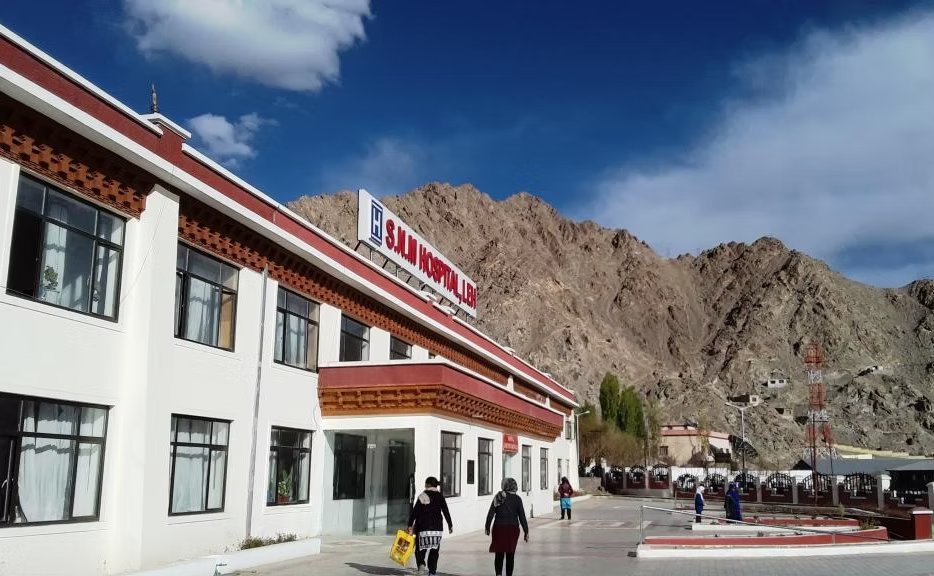
Sonam Norboo Memorial Hospital (SNM) in Leh is the region's primary medical facility — a 150-bed government hospital with a dedicated tourist ward for altitude-related emergencies. It's a 5-minute drive from Fort Road and has oxygen supply, specialist doctors, and diagnostic equipment. For moderate to severe AMS, HACE, or HAPE, this is where treatment happens.
Outside Leh, medical infrastructure drops sharply. Kargil has a district hospital. Diskit in Nubra Valley has a small community health center. At Pangong Lake, there's essentially nothing — maybe a military post willing to help in an emergency, but no civilian medical facility. The distance from Pangong back to Leh is roughly 5 to 6 hours by road, and that road crosses Chang La at over 5,300 meters. Evacuating someone with HAPE over a 5,300-meter pass is the kind of scenario that travel insurance exists to prevent.
Why most standard travel insurance doesn't cover altitude
Standard travel insurance policies often exclude claims above 2,500 or 3,000 meters. Since virtually everything in Ladakh sits above that threshold, a generic policy is close to useless. Look specifically for policies that cover high-altitude trekking and travel up to at least 5,500 meters, and confirm that emergency helicopter evacuation is included. As of early 2026, high-altitude coverage policies run somewhere around INR 1,500 to 4,000 for a two-week trip, though the exact cost shifts depending on the provider, age bracket, and pre-existing condition declarations — and prices tend to climb during peak season when insurers factor in higher claim volumes.
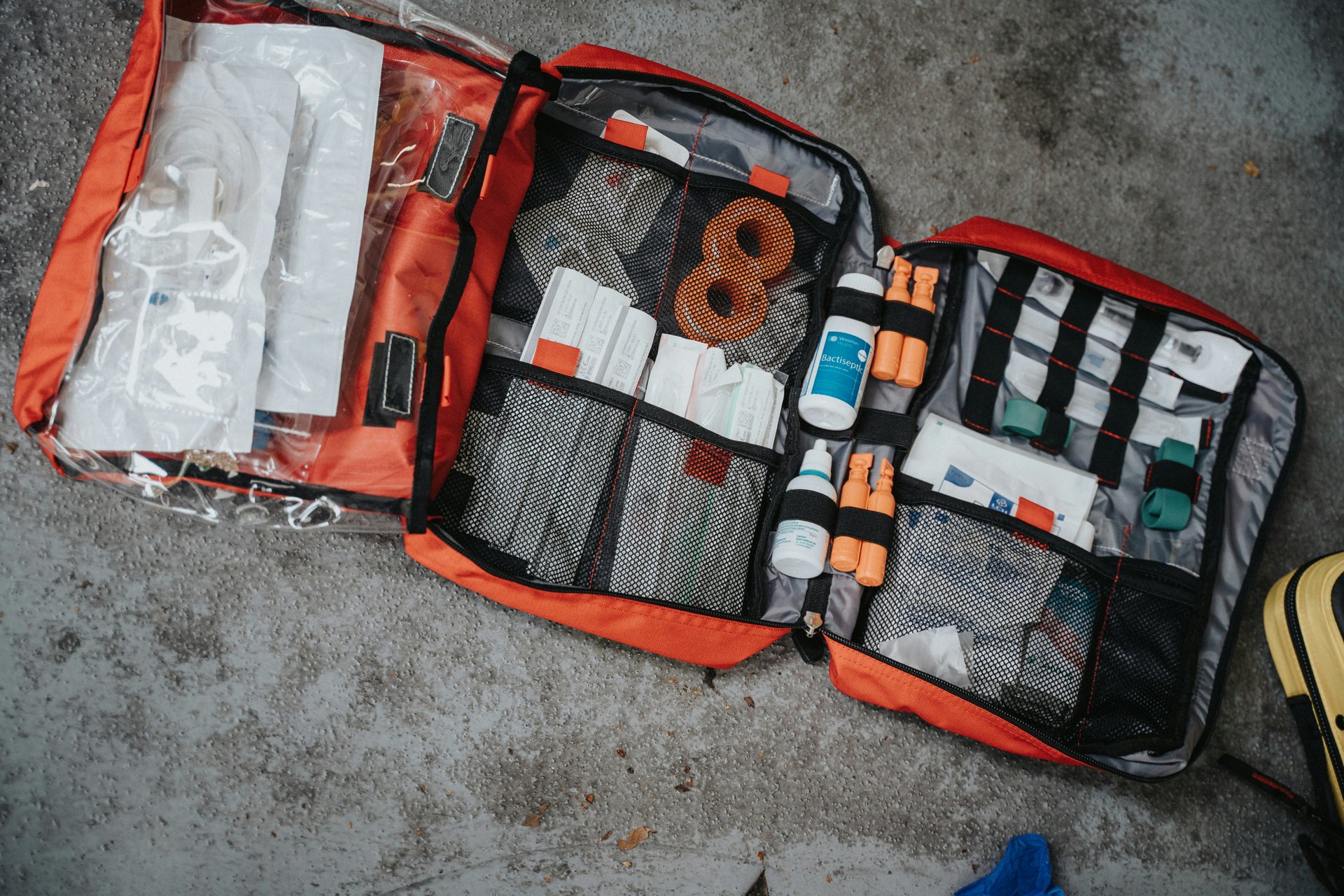
A practical altitude first aid kit
Diamox (acetazolamide) — 125 mg tablets, doctor-prescribed
Ibuprofen or paracetamol for headache management
Ondansetron (anti-nausea, dissolves on the tongue — useful when vomiting makes swallowing pills difficult)
Oral rehydration salts — dehydration compounds AMS symptoms
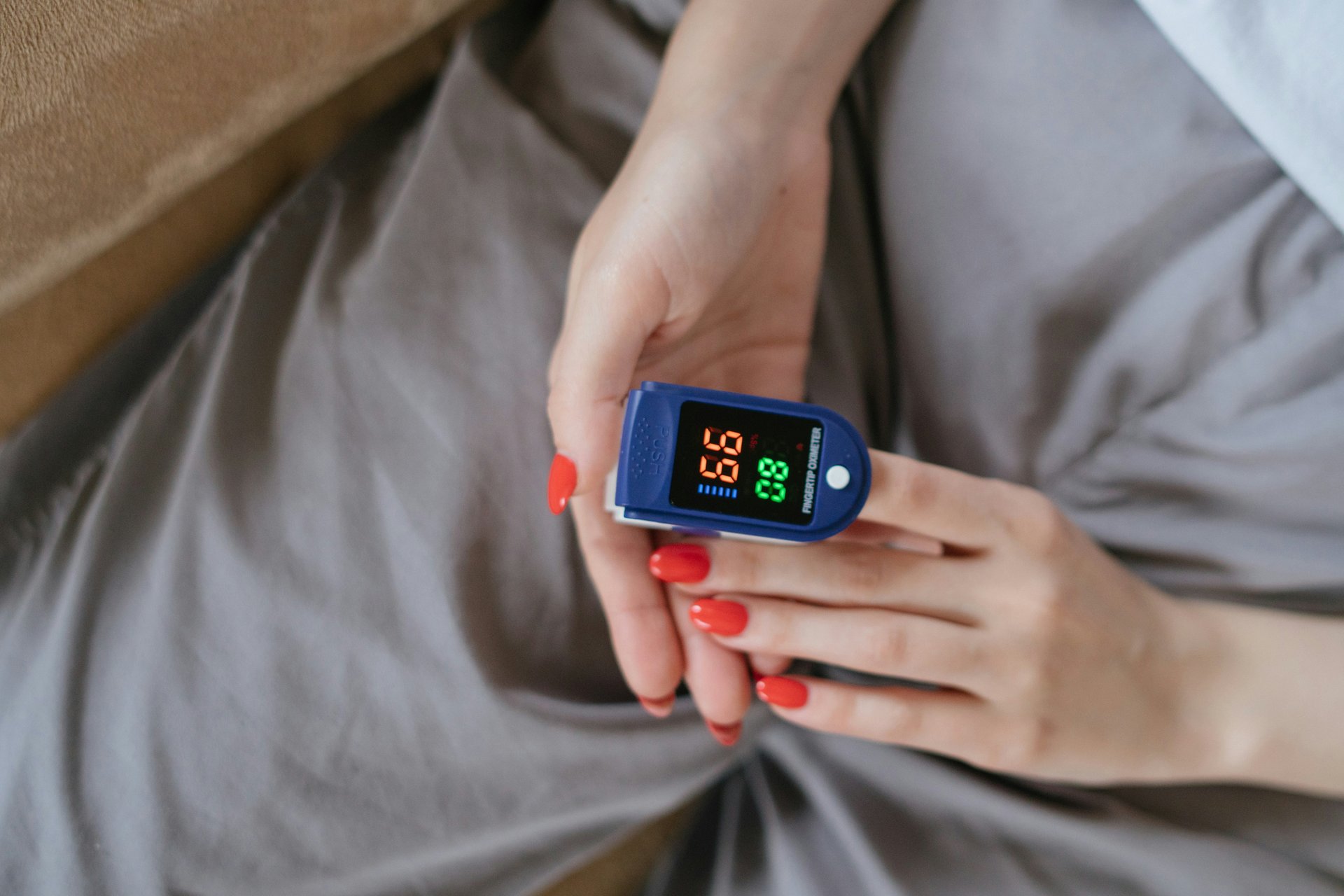
Pulse oximeter — a small clip device that reads blood oxygen saturation. Readings below 90% at rest warrant concern; below 85% is a signal to descend
Dexamethasone — only if prescribed and only for genuine emergency use
The small oxygen cans sold at pharmacies in Leh and occasionally by roadside vendors provide a few minutes of supplemental oxygen at best. They're not treatment — they're a psychological comfort. Genuine oxygen therapy requires the kind of continuous supply available at SNM Hospital or military medical posts. Don't plan around those cans being useful in a real crisis.
The counterintuitive realities nobody mentions in travel forums
Driving from Manali to Leh over two days feels like it should be safer than flying — gradual ascent, time to adjust. But the Manali-Leh highway crosses Baralacha La at over 4,800 meters and Tanglang La at roughly 5,300 meters before descending to Leh at 3,500 meters. The body gets hammered by higher altitude before reaching the destination. Some travelers arrive in Leh via road feeling worse than those who flew, especially if they pushed through to Pang or Sarchu without adequate rest stops.
Another uncomfortable fact: acclimatization doesn't last. Someone who spent two weeks in Leh in June and returns in September after a month at sea level starts the acclimatization clock from scratch. Prior altitude exposure within a few weeks offers some residual benefit, but anything beyond that resets the process.
Perhaps the most overlooked risk factor is dehydration from the dry desert air. Ladakh's humidity often drops below 20 percent. The air pulls moisture from skin and lungs at a rate people don't feel because there's no sweat — it evaporates instantly. Visitors who think they're hydrating adequately because they're "not sweating" are often the ones who hit a wall on day two. The budget for a Ladakh trip should account for a steady supply of bottled water — roughly INR 30 to 60 per liter in Leh, though that creeps higher at remote stops along routes like the one to Pangong where supply logistics drive the price up.
Who handles altitude well, who doesn't, and what that means for planning
Travelers over 60 or those with pre-existing cardiac or respiratory conditions face higher risk at altitude — not because AMS is more likely, but because the body's compensatory mechanisms are less efficient. A healthy 65-year-old can absolutely visit Leh, but the acclimatization window should be longer: three days instead of two, and itineraries that avoid sleeping above 4,000 meters. The approach to planning Ladakh with older family members is different in meaningful ways that most standard itineraries don't account for.
Children under 10 present a different challenge — they can't always articulate symptoms clearly. A child who becomes unusually quiet, refuses food, or seems irritable at altitude may be experiencing AMS without the vocabulary to describe it. Pediatric Diamox dosing exists but requires specific medical consultation.
For anyone with a history of AMS on previous trips, the likelihood of recurrence is higher. That's not a reason to skip Ladakh — it's a reason to fly in with Diamox already in the system, an ILP permit sorted in advance, and a first-day itinerary that involves nothing more strenuous than sipping butter tea in the old town.
Written by