
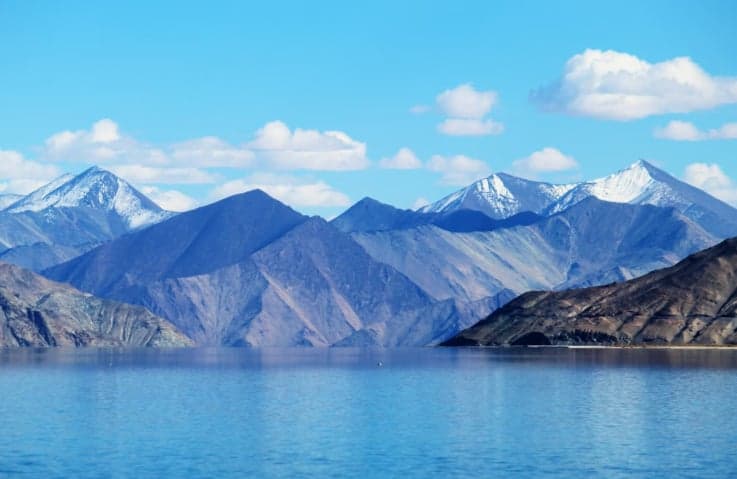
Riding the Zanskar Loop in Ladakh is a rugged 1,200+ km high-altitude motorcycle expedition through remote Himalayan valleys, river crossings, and dramatic mountain passes like Shinku La. This detailed guide covers the route, cost breakdown, best time to visit, risks, preparation tips, and who this challenging adventure is truly meant for.
Riding the Zanskar Loop in Ladakh is a 7–10 day high-altitude motorcycle expedition (1,200–1,500 km) that takes you through remote Himalayan valleys, river gorges, monasteries, and some of India’s toughest terrain. It is physically demanding, weather-sensitive, and logistically complex — but offers one of the most raw and least commercialized riding experiences in the Indian Himalayas.
If you want smooth highways and luxury cafés, this is not for you.
If you want isolation, river crossings, broken mountain roads, and stark Himalayan beauty — this is exactly it.
What Is the Zanskar Loop?
The Zanskar Loop is a circular motorcycle route in Ladakh that typically runs:
Leh → Lamayuru → Kargil → Padum → Shinku La → Darcha/Manali → back to Leh (via Sarchu or Upshi)
It connects:
High mountain passes (16,000–17,500 ft)
Remote Zanskar valley villages
Glacial rivers
Deep gorges
Ancient monasteries
This is not a standard Leh–Nubra–Pangong tourist loop. It’s more rugged, less developed, and significantly less crowded.
Route Overview & Key Stops
1. Lamayuru – The Moonland

Home to Lamayuru Monastery, one of the oldest monasteries in Ladakh.
Why it matters:
Unique “moon-like” terrain
Easier acclimatization stop
Good first halt from Leh (approx 125 km)
Road condition: Mostly good highway.
2. Kargil – Strategic Mountain Town
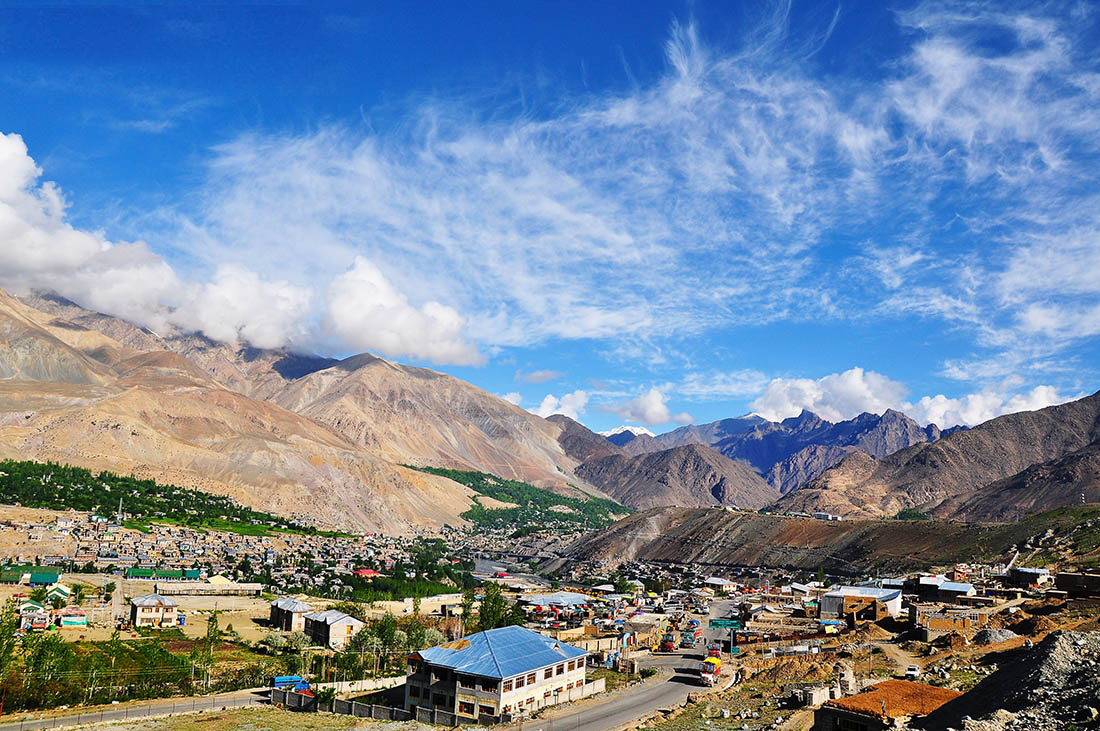
Kargil is your fuel, ATM, and restock hub.
Why stop:
Better accommodation than deep Zanskar
Final proper mechanic support
Gateway to Suru Valley
3. Padum – Heart of Zanskar

Padum is the administrative center of Zanskar.
Why it’s special:
Remote Himalayan culture
Limited connectivity
Base for monastery exploration
This is where the “journey of discovery” actually begins — everything before this is warm-up.
4. Shinku La – The Raw Pass

One of the highest points of the loop (~16,700 ft).
Expect:
Broken dirt tracks
River crossings
Sudden weather shifts
No immediate rescue support
This is where inexperienced riders struggle.
Total Distance & Duration
Factor | Estimate |
|---|---|
Total Distance | 1,200–1,500 km |
Ideal Duration | 8–10 days |
Riding Hours/Day | 5–8 hrs |
Highest Altitude | ~17,000 ft |
Anything under 7 days is rushed and unsafe.
Cost Breakdown (From Delhi)
Assuming a 9-day ride.
Budget Rider (Self-Organized)
Expense | INR | USD | EUR |
|---|---|---|---|
Bike Rental (RE Himalayan) | ₹1,500/day × 9 = ₹13,500 | ~$160 | ~€150 |
Fuel | ₹8,000 | ~$95 | ~€90 |
Stay (Homestay avg ₹1,200/night) | ₹10,800 | ~$130 | ~€120 |
Food | ₹6,000 | ~$72 | ~€65 |
Permits | ₹1,000 | ~$12 | ~€11 |
Buffer/Emergency | ₹5,000 | ~$60 | ~€55 |
Total | ₹44,000–₹50,000 | ~$530–600 | ~€490–560 |
Excludes flights to Leh (~₹6,000–12,000 roundtrip from Delhi).
Best Time to Ride the Zanskar Loop
Mid-June to September only.
Why:
Shinku La opens late due to snow.
Early June = unpredictable road closures.
July–August = better accessibility but occasional landslides.
September = best combination of clear skies + fewer tourists.
Avoid:
October onward (snow risk)
Early June if you lack flexibility
Pros and Cons
Pros
Less commercial than Nubra/Pangong
Raw Himalayan terrain
Authentic Zanskar culture
Lower crowd density
Cons
Poor network connectivity
Limited mechanics
Fewer luxury stays
Demanding riding conditions
High AMS risk
Who This Is NOT For
First-time mountain riders
Riders without prior high-altitude experience
People looking for luxury stays
Strict itinerary travelers
If you panic during water crossings — don’t attempt this.
Who Should Definitely Choose This
Experienced Himalayan riders
Adventure-focused travelers
Photographers seeking raw landscapes
Riders who prefer remoteness over cafés
Common Mistakes Riders Make
Underestimating altitude sickness
Overloading luggage
Skipping acclimatization in Leh
Poor tire choice
Riding post-4 PM in mountains
The Zanskar Loop punishes overconfidence.
Essential Tips Most Blogs Don’t Tell You
Carry extra clutch cable.
Padum fuel availability fluctuates — confirm locally.
River crossings intensify post-noon due to glacier melt.
Keep ₹10–15k cash; ATMs unreliable.
Oxygen cans are not a substitute for acclimatization.
Is It Dangerous?
Objectively: Moderate to high risk.
Risks include:
AMS
Slippery mud tracks
Landslides
Mechanical breakdown
Limited rescue access
Preparation reduces risk drastically.
FAQs
1. Is the Zanskar Loop harder than Leh–Nubra–Pangong?
Yes. Road quality is worse and facilities are fewer.
2. Can beginners attempt it?
Not recommended without prior high-altitude riding experience.
3. Is fuel available in Padum?
Limited. Carry backup or confirm availability beforehand.
4. Do I need permits?
Inner Line Permit required for certain sectors.
5. Is 7 days enough?
Possible but rushed. 9 days is ideal.
6. Is it safe for solo riders?
Yes, if experienced and well-prepared.
Is Riding the Zanskar Loop Worth It?
Riding the Zanskar Loop in Ladakh is not about comfort, convenience, or ticking off tourist spots. It is a physically demanding, high-altitude expedition through one of India’s most remote Himalayan regions. Roads are unpredictable, fuel stops are limited, network coverage is unreliable, and weather can shift within minutes. If you are unprepared or overconfident, this route will expose it quickly.
But for the right rider, it delivers something rare: isolation, raw mountain landscapes, authentic village life in Zanskar, and a sense of achievement that mainstream Ladakh circuits simply cannot match. Compared to the crowded Nubra–Pangong circuit, the Zanskar Loop feels untamed and personal.
Written by