
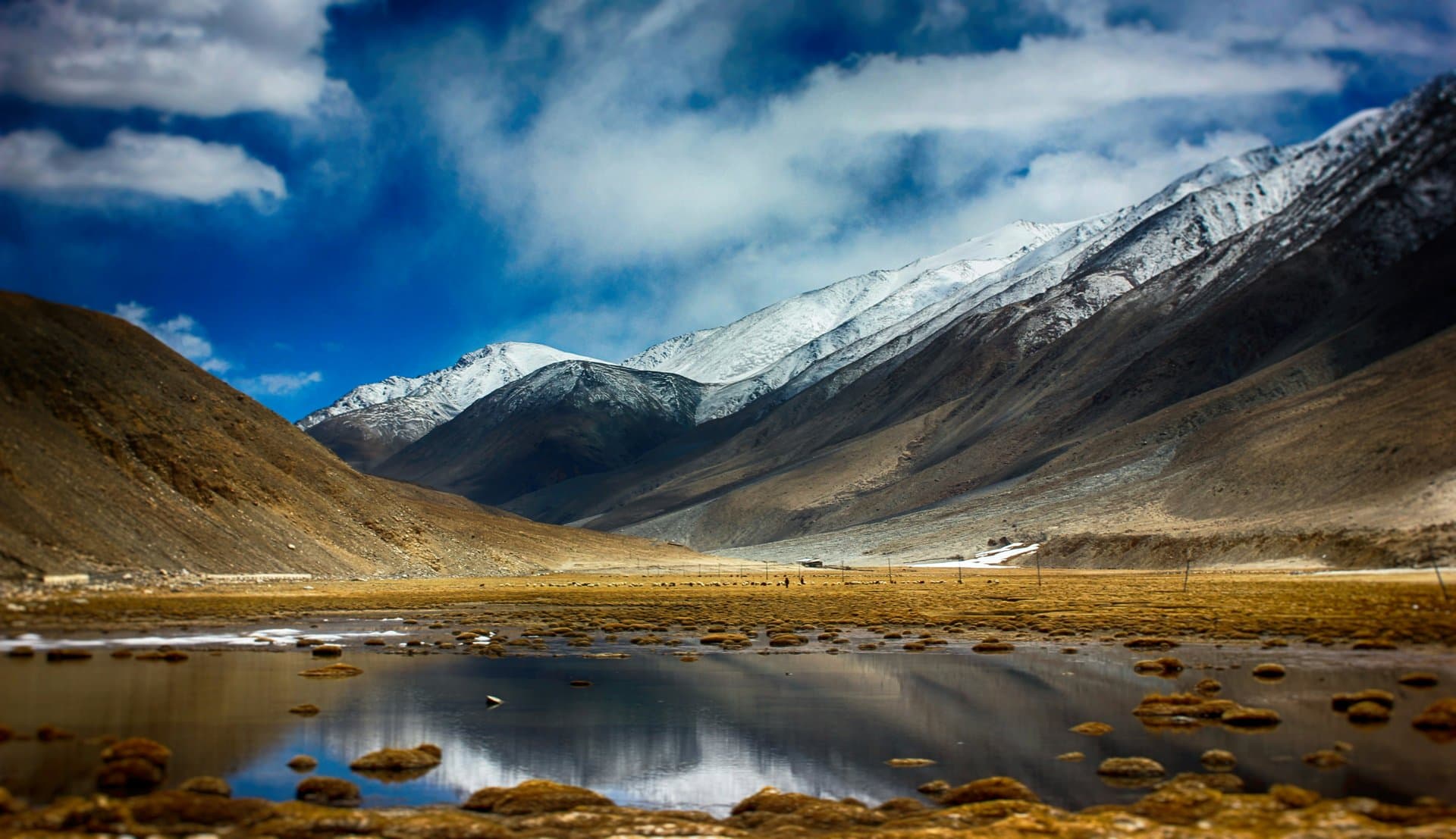
Explore the remote Changthang region in Ladakh, known for high-altitude lakes, vast plateaus, and nomadic culture. Discover the best routes, permits, travel tips, and ideal months to plan an unforgettable Himalayan road trip.
The remote and breathtaking Changthang region is one of the most untouched landscapes in northern India. Known for vast high-altitude plains, shimmering lakes, nomadic culture, and rare wildlife, Changthang offers a raw Himalayan experience far from typical tourist trails.
If you're wondering how to explore Changthang region properly, this detailed guide covers routes, permits, best time, attractions, and travel tips.
📍 Where Is Changthang Region?
Changthang is a high-altitude plateau located in eastern Ladakh, extending toward Tibet. The region sits at an average altitude of 4,000–5,000 meters (13,000–16,000 ft), making it one of the highest inhabited plateaus in the world.
It is home to the Changpa nomads, who rear the famous Pashmina goats.
🗓️ Best Time to Explore Changthang Region
🌞 May to September – Ideal Season
Roads are open
Pleasant daytime temperatures (5°C to 20°C)
Clear skies for photography
All major lakes accessible
❄️ October to April – Harsh Winter
Extreme cold (-15°C to -30°C)
Many roads closed
Limited accommodation
👉 For most travelers, June to September is the best time to explore Changthang comfortably.
🛣️ How to Reach Changthang
The journey begins from Leh.
Main Route:
Leh → Karu → Chang La → Durbuk → Tangtse → Pangong → Further into Changthang
Chang La (17,586 ft) is one of the highest motorable passes on the route.
You can explore the region via:
Self-drive SUV (recommended)
Rented bike
Private taxi from Leh
🌊 Top Places to Visit in Changthang Region
1️⃣ Pangong Lake
Pangong Lake is the gateway to Changthang. Famous for its changing shades of blue, it stretches into Tibet.
2️⃣ Tso Moriri
Tso Moriri is less crowded than Pangong and offers stunning reflections, peaceful landscapes, and rare bird sightings.
3️⃣ Tso Kar
Tso Kar is known for its salt lake ecosystem and wildlife, including kiangs (Tibetan wild asses).
4️⃣ Hanle Village
Hanle is famous for the Indian Astronomical Observatory and some of the clearest night skies in India.
🐾 Wildlife in Changthang
Changthang is part of the Changthang Wildlife Sanctuary and home to:
Tibetan wild ass (Kiang)
Himalayan marmots
Black-necked cranes
Snow leopards (rare sightings)
Wildlife enthusiasts should carry binoculars and maintain silence in sensitive areas.
🧾 Permits Required
Since Changthang lies near the Indo-China border, Inner Line Permits (ILP) are mandatory for Indian tourists. Foreign nationals require Protected Area Permits (PAP).
Permits can be obtained in Leh or online through the Ladakh administration portal.
🏕️ Where to Stay in Changthang
Accommodation options include:
Lakeside camps (May–September)
Homestays in villages like Hanle and Korzok
Guesthouses near Pangong
Luxury options are limited — this is an offbeat, rugged destination.
⚠️ Important Travel Tips
Acclimatize in Leh for 2 days before heading to Changthang
Carry extra fuel (few petrol pumps available)
Keep offline maps
Pack warm clothing even in summer
Respect local nomadic communities
🌄 Why Explore Changthang Region?
Unlike crowded tourist hubs, Changthang offers:
Vast open landscapes
Authentic nomadic culture
High-altitude lakes
Minimal commercialization
Exceptional stargazing
It is perfect for road trip lovers, photographers, and travelers seeking solitude.
Final Thoughts
If you want to experience raw Himalayan beauty beyond mainstream routes, exploring the Changthang region should be on your Ladakh itinerary. With proper planning, permits, and acclimatization, it becomes one of the most unforgettable journeys in India.
Written by