
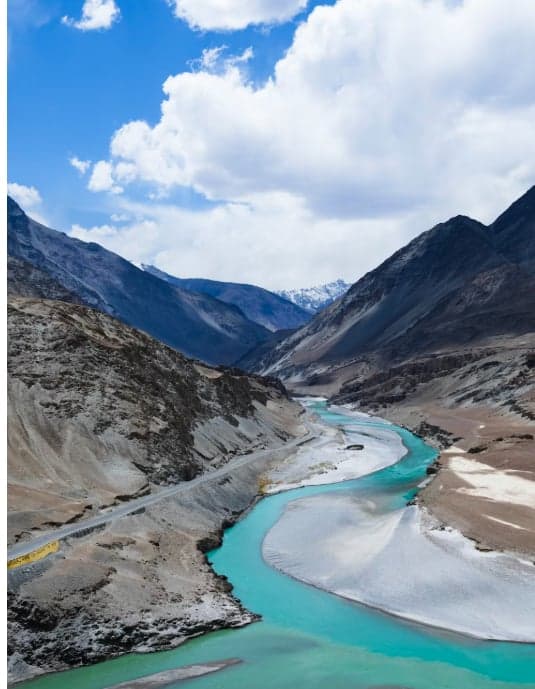
Discover the best treks in Ladakh, from the Markha Valley to Stok Kangri, and learn how to prepare for an adventure of a lifetime. Get insider tips on budgeting, logistics, and overcoming the challenges of high-altitude trekking.
The Departure Nobody Budgets Enough Time For
Imagine standing at the edge of the world, with nothing but the vast expanse of the Himalayas stretching out before you. For many, trekking in Ladakh is a dream come true, but it's not without its challenges. One of the most critical aspects of planning a successful trek is understanding the departure times and preparing for the unexpected.
Ladakh, often referred to as the 'Roof of the World,' offers some of the most breathtaking and challenging treks on the planet. From the Markha Valley Trek to the Stok Kangri climb, each trail presents a unique set of difficulties and rewards. This article will delve into the top 3 trails for 2026, covering not just the trails themselves but also the practical insights and non-obvious considerations that can make or break your trekking experience.
Top 3 Trails for the Adventurous
The Markha Valley Trek is one of the most popular treks in Ladakh, known for its diverse landscapes and high passes. The trek typically takes around 7-8 days to complete and costs approximately ₹25,000 to ₹35,000 per person, depending on the season and the services included. It's a moderate to challenging trek, with the highest point being the Kongmaru La pass at 5,150 meters.
The Stok Kangri trek is a more challenging climb, best suited for experienced trekkers. It's a shorter trek, lasting about 4-5 days, but the climb to the summit is steep and demanding. The cost for this trek can range from ₹18,000 to ₹28,000, depending on whether you choose a guided tour or go independently. The view from the top, however, is unparalleled, offering a 360-degree panorama of the surrounding mountains.
The third trek worth mentioning is the Sham Valley Trek, also known as the 'Baby Trek.' It's an ideal trek for beginners, offering stunning views of the Indus Valley and the surrounding landscape. The trek is relatively short, lasting about 3-4 days, and is less expensive, with costs ranging from ₹12,000 to ₹20,000. Despite its ease, it provides a great introduction to trekking in Ladakh and is a good acclimatization trek for more challenging adventures.
Alternatives and Complementary Treks
For those looking for something different or wanting to combine treks, there are several alternatives and complementary treks available. The Ripchar Valley trek, for example, offers a less crowded but equally breathtaking experience. It can be combined with the Markha Valley trek for a more extended and varied adventure.
Another option is the Nubra Valley trek, which takes you through the beautiful landscapes of the Nubra Valley and offers a chance to see the famous sand dunes and double-humped camels. This trek can be a good addition to the Stok Kangri climb, providing a relaxing and scenic conclusion to your adventure.
When choosing an alternative or complementary trek, it's essential to consider your experience level, physical condition, and the time of year. Some treks are better suited to certain times of the year due to weather conditions and the availability of facilities.
Budgeting and Logistics
Budgeting for a trek in Ladakh requires considering several factors, including the cost of the trek itself, transportation to and from the starting point, accommodation in Leh before and after the trek, and any additional activities or sightseeing. As of early 2026, expect to pay around ₹50,000 to ₹80,000 per person for a week-long trek, including all expenses.
Logistically, it's crucial to plan your trek during the peak season (June to September) for the best weather conditions, but be prepared for higher costs and more crowds. Acclimatization is also key; spending a couple of days in Leh before starting your trek can significantly reduce the risk of altitude sickness.
Additionally, consider the cost of any necessary gear or equipment rentals, as well as the cost of a guide or porter if you choose to hire one. Guides can provide invaluable insight and assistance, especially for less experienced trekkers.
Timing-Dependent Realities
One of the non-obvious considerations for trekking in Ladakh is the impact of weather and road conditions on travel times. The road from Manali to Leh, for example, can be closed due to landslides or snow, affecting your ability to reach the starting point of your trek on time.
Furthermore, the condition of the trails themselves can vary significantly depending on the time of year and recent weather conditions. This can affect not just the difficulty of the trek but also the availability of water and other resources along the way.
Is This Trek For You?
Trekking in Ladakh is not for the faint of heart. It requires physical endurance, mental toughness, and a willingness to adapt to unpredictable conditions. However, for those who are up for the challenge, the rewards are immense, offering a unique blend of natural beauty, cultural richness, and personal growth.
Written by